
Common HVAC Noises: What That Squealing or Banging Actually Means
Your heating and cooling system is not completely silent, but unusual sounds are often a sign that something is wrong. Ignoring strange noises can lead to bigger problems, higher repair costs, and even system failure.
Understanding common HVAC noises can help you identify issues early and know when it is time to call a professional.
Why HVAC Systems Make Noise
Normal operation includes a low hum or airflow sound, but loud or unusual noises often indicate wear, damage, or mechanical problems.
Common causes include:
- Loose components
- Worn parts
- Airflow restrictions
- Electrical issues
Recognizing the type of sound is the first step in diagnosing the problem.
Squealing or Screeching Noises
A high-pitched squealing HVAC noise is one of the most common issues homeowners notice.
What It Usually Means
- Worn or slipping belts
- Motor bearing issues
- Problems with the blower motor
What to Do
This type of noise should be addressed quickly, as it can lead to motor failure if ignored.
Banging or Clanking Sounds
A loud banging noise in HVAC system can be alarming and should not be ignored.
Possible Causes
- Loose or broken internal components
- Unbalanced blower
- Issues with the compressor
What to Do
Turn off the system and schedule a professional inspection to prevent further damage.
Rattling or Vibrating Noises
If you hear a rattling HVAC sound, it may indicate loose parts or debris.
Common Causes
- Loose screws or panels
- Debris in the system
- Ductwork issues
What to Do
Check for visible loose parts, but if the noise continues, have a technician inspect the system.
Buzzing Sounds
A buzzing HVAC noise often points to electrical or mechanical issues.
Possible Reasons
- Electrical problems
- Loose wiring
- Failing components
What to Do
Electrical issues can be dangerous, so it is best to have a professional diagnose the problem.
Clicking Noises
A clicking sound when your system turns on or off can be normal, but constant clicking is not.
What It Could Mean
- Faulty thermostat
- Electrical control issues
- Relay problems
What to Do
Persistent clicking should be evaluated to avoid system failure.
Hissing or Whistling Sounds
A hissing HVAC noise may indicate airflow or refrigerant issues.
Common Causes
- Air leaks in ductwork
- Refrigerant leaks
- Pressure imbalances
What to Do
Refrigerant issues require immediate attention from a professional.
When to Call a Professional
While some minor noises may not require urgent action, many HVAC sounds indicate underlying problems.
Call for service if you notice:
- Loud or sudden noises
- Persistent or worsening sounds
- Reduced system performance
- Unusual smells or airflow issues
Early repairs can prevent costly breakdowns.
Preventing HVAC Noise Issues
Regular maintenance is the best way to avoid unexpected problems.
Helpful steps include:
- Scheduling routine inspections
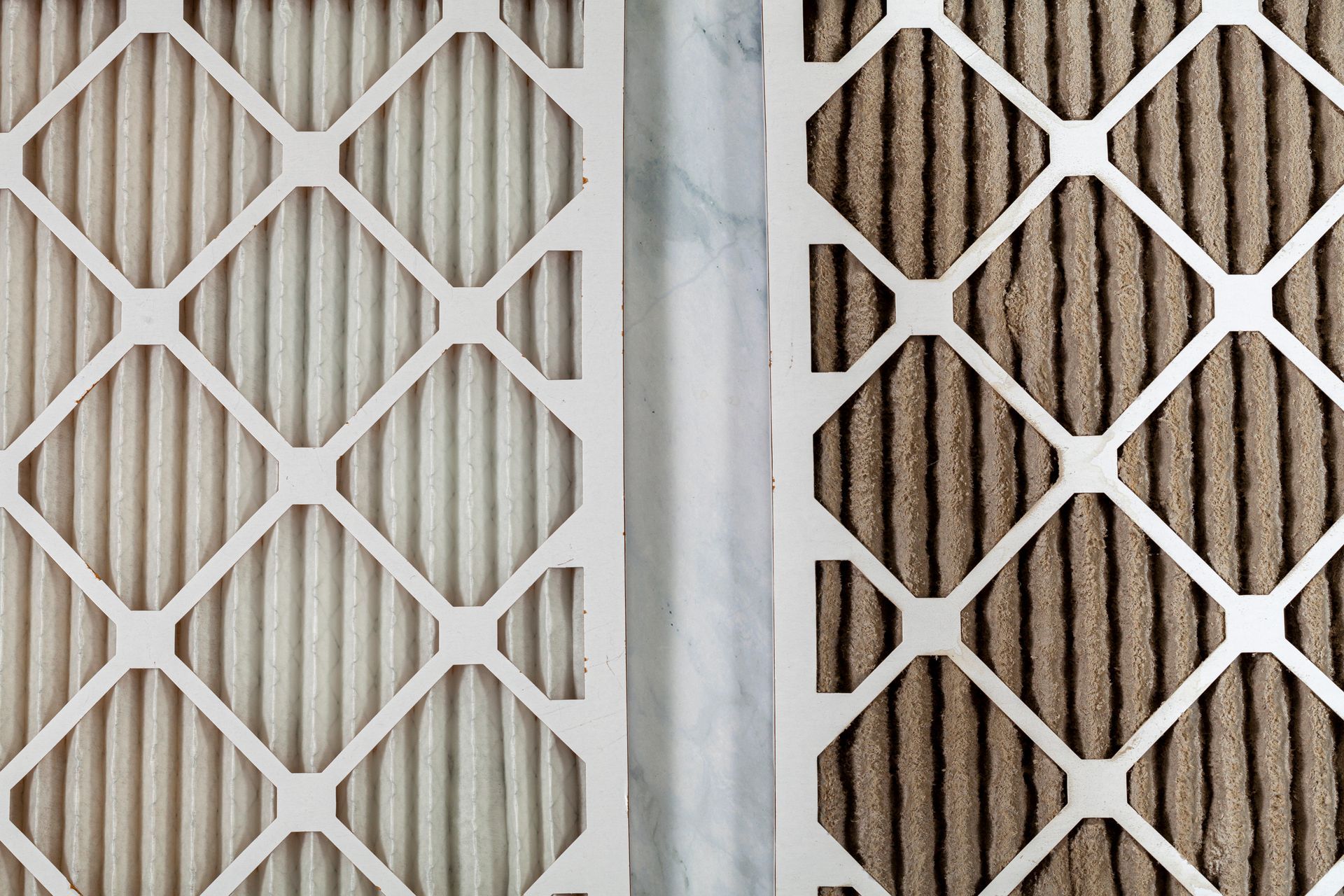
- Replacing air filters regularly
- Keeping the system clean
- Addressing small issues early
Preventative care helps keep your system running smoothly and quietly.
Listen to What Your System Is Telling You
Unusual HVAC noises are often warning signs that should not be ignored. By understanding what different sounds mean, you can take action before small issues become major repairs.
CJ’s Heating & Cooling provides expert HVAC diagnostics and repair services, helping homeowners identify problems early and keep their systems running efficiently year-round.
Is it normal for HVAC systems to make noise?
Yes, but loud or unusual sounds often indicate a problem.
What does a squealing HVAC noise mean?
It may indicate worn belts or motor issues.
Why is my HVAC system making a banging sound?
It could be due to loose or broken internal components.
Should I turn off my system if it is making noise?
If the noise is loud or unusual, turning it off can prevent damage.
Can regular maintenance prevent HVAC noises?
Yes, routine maintenance helps identify and fix issues early.