
The Comprehensive Guide to Air Conditioning Repair: Diagnosing Common Mid-Summer Cooling Failures
Few household problems are more frustrating than an air conditioner that stops keeping your home comfortable during the hottest days of summer. Unfortunately, mid-summer is also when many cooling systems experience their greatest mechanical strain. As outdoor temperatures climb, extended run times and relentless indoor demand quickly expose underlying component weaknesses that easily go completely unnoticed during the milder spring months.
The good news is that the vast majority of cooling issues provide subtle warning signs well before a complete system breakdown occurs. Understanding the most frequent mechanical triggers behind unexpected failures allows homeowners to identify developing problems early, avoid catastrophic repair bills, and maintain seamless indoor air quality throughout the peak season. If your system is struggling to maintain its setpoint, a targeted review of your equipment's critical systems is vital.
Why Air Conditioners Fail During Peak Summer Heat
During mild spring weather, a central cooling system only runs in short, sporadic intervals, allowing components to rest and cool down. However, when ambient summer temperatures climb into the upper 80s and 90s, your compressor must work significantly harder to reject indoor heat to the outdoors. This relentless duty cycle places intense, unyielding thermal stress on your electrical circuits, motors, and pressurized lines.
This prolonged operation causes minor structural defects to cascade into total system shutdowns. Weak electrical connections can overheat, aged bearings inside fan motors can seize, and slightly degraded parts can completely burn out under the heavy load. This direct correlation between high thermal demand and mechanical fatigue is precisely why professional air conditioning repair services experience a massive surge in emergency service requests during the peak of the summer season.
The Airflow Bottleneck: Clogged Filters and Frozen Evaporator Coils
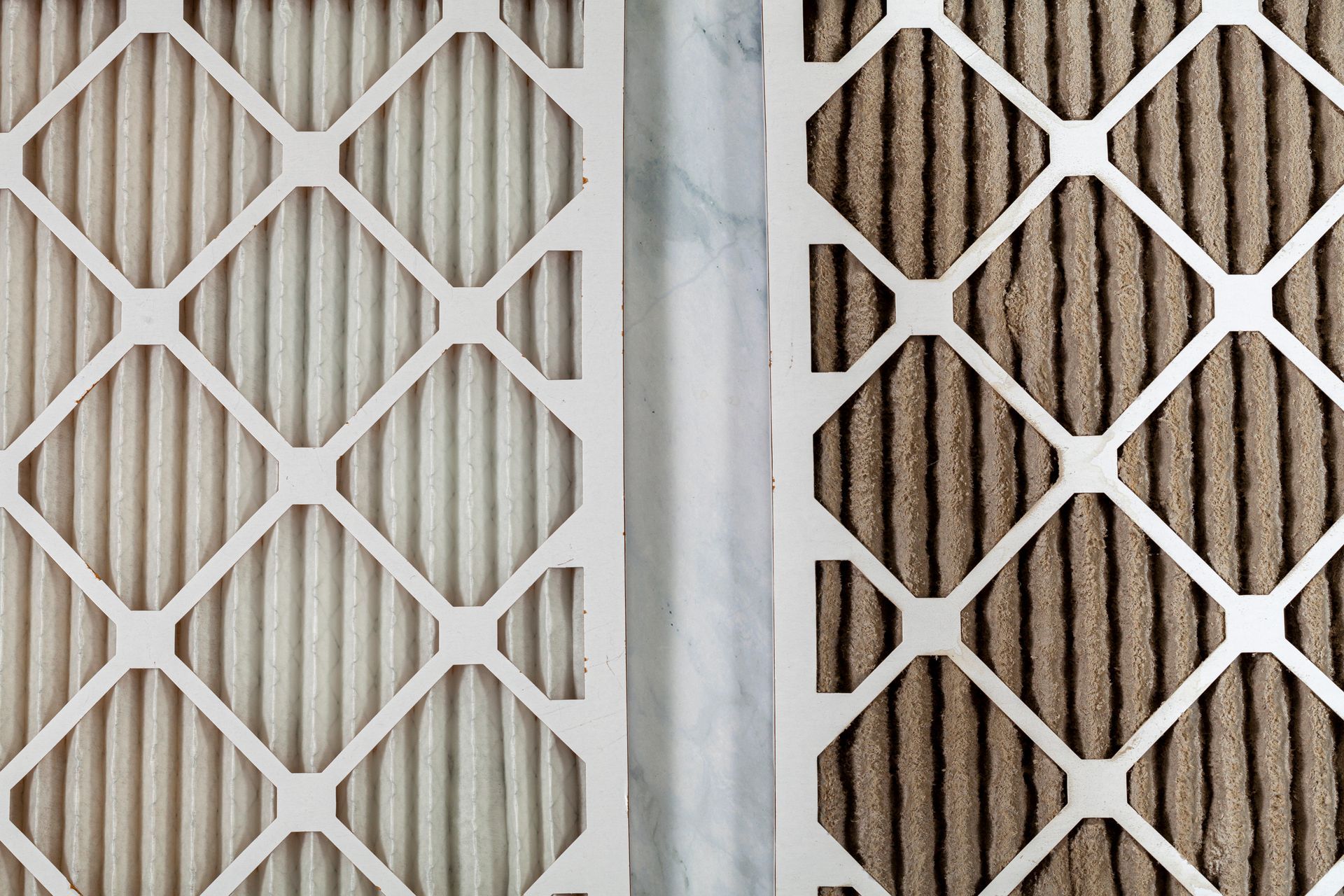
One of the simplest yet most destructive causes of an unexpected system failure involves a severely restricted air filter. Your central HVAC system relies on a precise volume of continuous static airflow to function. When a filter becomes heavily laden with dust, pet dander, and airborne debris, the volume of return air feeding through your system drops below critical operating levels.
The Ice Machine Phenomenon
This sudden drop in static pressure directly triggers a severe mechanical malfunction inside your indoor air handler. Your indoor evaporator coil relies on the steady warmth of your home's return air to evaporate the liquid refrigerant passing through its copper lines. When that warm airflow is choked off, the temperature of the indoor coil plummets below freezing, causing the ambient humidity in the air to instantly freeze into a solid block of ice across the metal fins.
A frozen evaporator coil completely blocks all air distribution, starves the home of cooling, and forces liquid refrigerant to back up into your outdoor unit. This liquid slugging can permanently destroy your compressor's internal valves, transforming a cheap, basic maintenance task into a highly expensive, major compressor replacement.
Refrigerant Leaks and Microfarad Capacitor Failures
Refrigerant serves as the absolute lifeblood of the cooling process, continuously circulating through a closed-loop system to absorb indoor heat and reject it outdoors. A common misconception among property owners is that an air conditioner naturally "consumes" refrigerant over time. In reality, a drop in system pressure always indicates a structural leak somewhere within your copper lines, service valves, or aluminum coil matrices.
Operating an air conditioner that is low on its chemical charge severely reduces its overall cooling capacity, causes the system to run indefinitely without hitting its target temperature, and results in exceptionally high utility bills. Because handling specialized chemical compounds requires EPA certification, scheduling professional air conditioning repair is legally and mechanically necessary to locate the micro-fractures, weld the copper lines, and precisely recharge your system to manufacturer specifications.
The Danger of Failing Capacitors
Another highly common culprit behind mid-summer system failures is the failure of your dual-run capacitor. The capacitor acts as a powerful temporary battery, delivering the heavy electrical force required to start and run your compressor and condenser fan motor. Extreme outdoor temperatures, combined with the intense heat generated by your electrical panel, cause the internal oil within a capacitor to degrade and lose its rated microfarad capacity.
When a capacitor begins to fail, it can bulge, leak, or drop in electrical output, causing your outdoor unit to hum loudly, click repeatedly, or fail to start up entirely. Attempting to run an outdoor unit with a failing capacitor places immense electrical stress directly onto the motor windings, which can easily burn out your compressor if the part is not promptly swapped out by an HVAC technician.
Secondary Triggers: Faulty Thermostats and Condenser Restrictions
Sometimes, the primary cooling hardware itself is completely fine, but the system fails due to an upstream communication breakdown. A malfunctioning, uncalibrated, or poorly positioned thermostat can send erratic signals to your control board, resulting in rapid short-cycling, inconsistent indoor temperatures, or a complete failure to initiate a cooling cycle. Upgrading to a modern, professionally calibrated smart thermostat can instantly optimize equipment timing and lower your energy consumption.
The Outdoor Condenser Environment
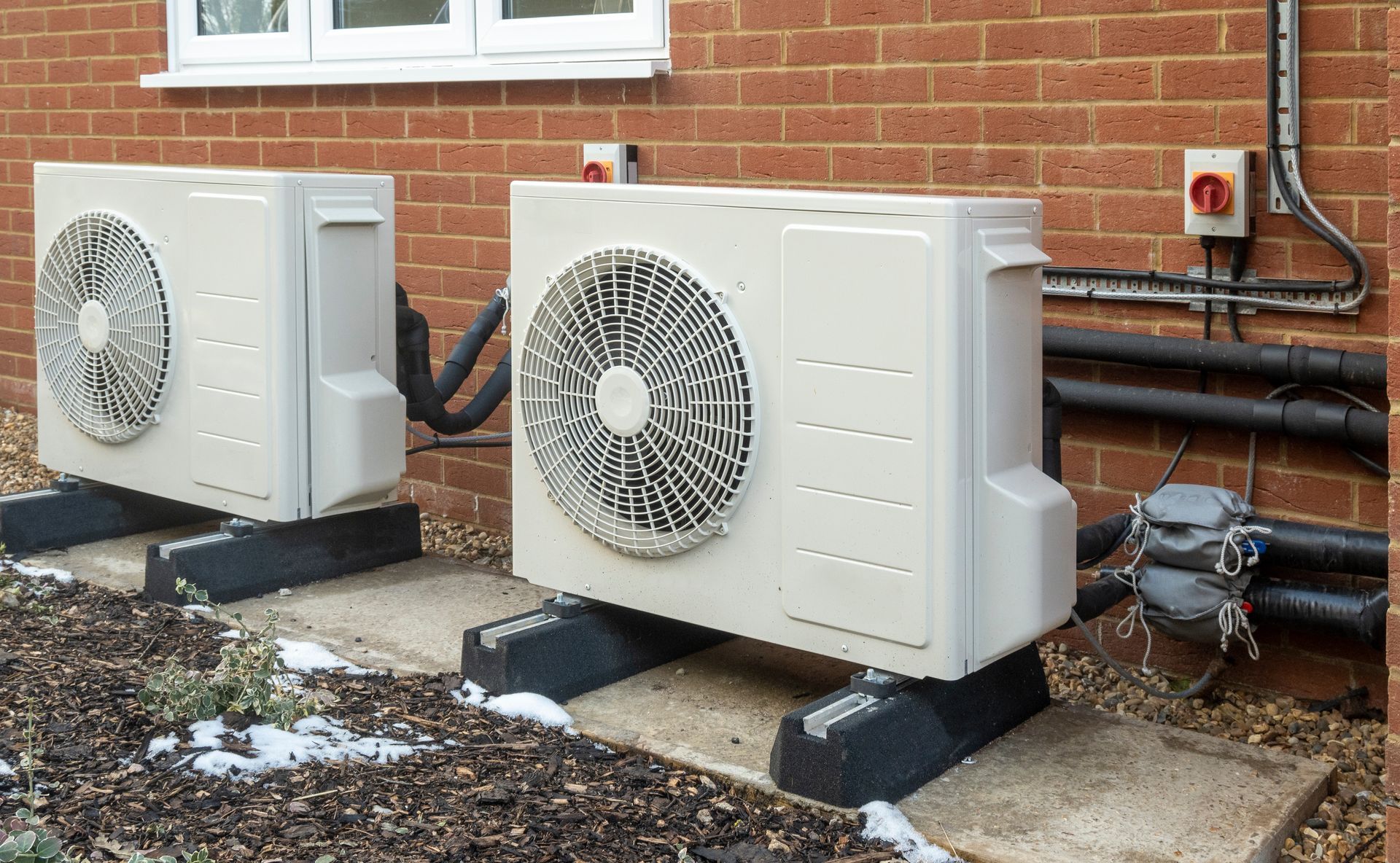
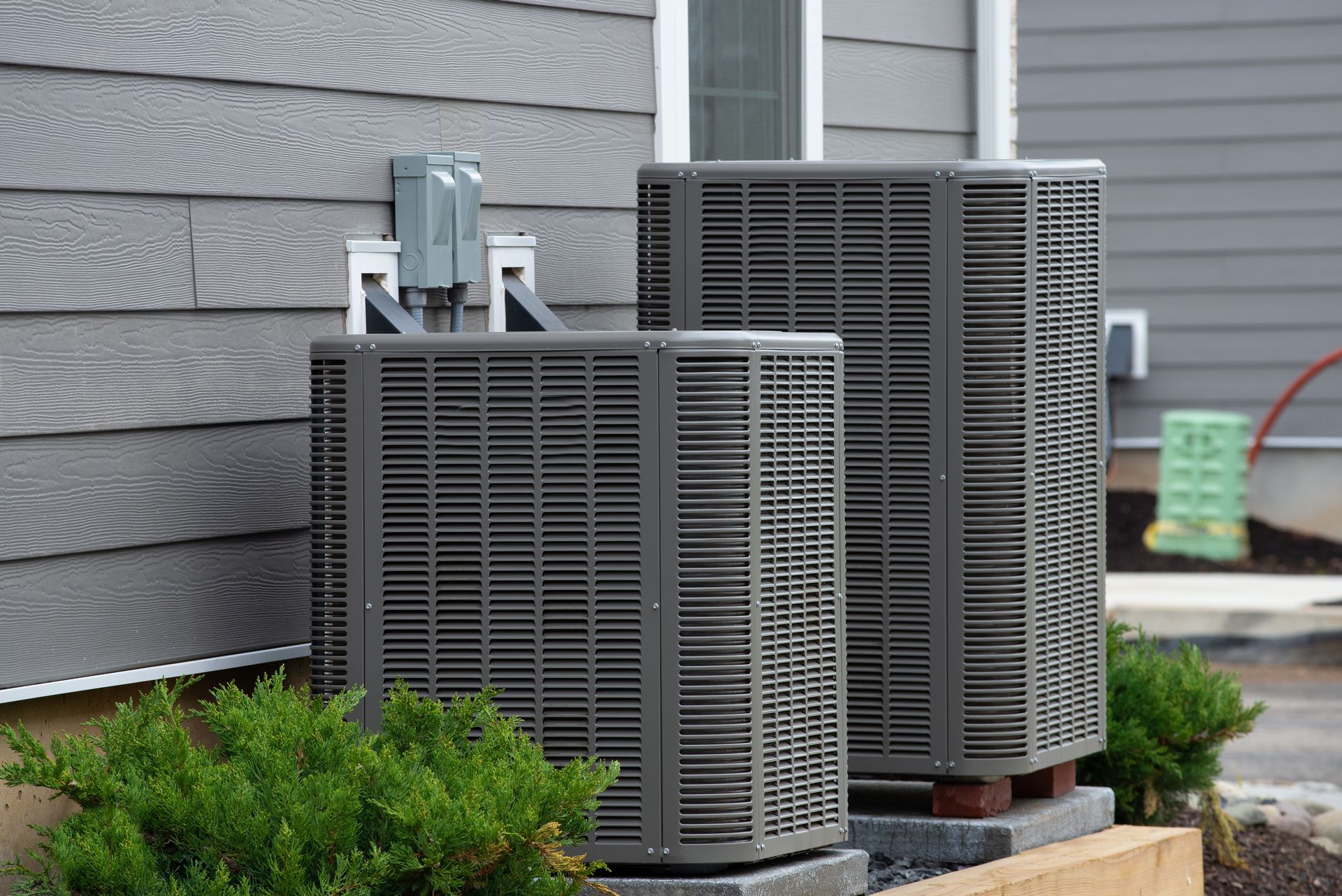
Similarly, your outdoor condenser unit requires a wide, uninhibited perimeter to effectively vent the hot air it extracts from your living spaces. Over the course of the spring and summer, your outdoor coils can easily become caked in grass clippings, falling leaves, windblown dirt, and overgrown landscaping.
When your condenser coils are insulated by a dense layer of dirt, the system cannot shed heat efficiently, causing internal system pressures and temperatures to climb dangerously high. This restriction forces the compressor to draw significantly more electrical current to do its job, directly accelerating part fatigue. Keeping a clear two-foot clearance around your outdoor unit and rinsing the coils gently with a garden hose is a crucial step in proactive air conditioning maintenance.
Proactive Preservation with CJ's Heating & Cooling
Your home's comfort system rarely fails completely without giving you a few clear warning signs beforehand. Paying close attention to unusual squealing or grinding noises, a sudden drop in airflow at your registers, or an unexplained spike in your monthly power bill allows you to schedule preventative care before a minor mechanical issue evolves into a hot, uncomfortable emergency.
At CJ's Heating & Cooling, we specialize in delivering comprehensive, reliable HVAC repair and preventative cooling solutions tailored to protect your home. Our licensed technicians utilize advanced diagnostic tools to analyze system pressures, test capacitor integrity, clean packed coils, and ensure your system operates at peak energy efficiency when you need it most. Protect your indoor comfort this summer—schedule an expert AC inspection with our team today and keep your cooling system running smoothly all season long.
What are the most common signs that my air conditioner needs professional repair?
The most frequent red flags include warm air blowing from your supply vents, a noticeable drop in airflow velocity, unusual loud clicking or humming sounds coming from the outdoor unit, short-cycling, and unexpected spikes in your monthly electric bill.
Can a dirty air filter actually cause my entire air conditioner to freeze up?
Yes, absolutely. A clogged air filter chokes off the critical volume of warm return air required to warm the indoor evaporator coil. Without that thermal heat transfer, the coil’s temperature drops below 32°F (0°C), causing the condensation on the fins to instantly freeze into solid ice, blocking all cooling.
Why does my outdoor AC unit make a loud humming sound but fail to turn on?
This symptom usually indicates a failed or completely degraded run capacitor. When a capacitor loses its electrical storage capacity, it cannot deliver the necessary starting torque to spin the compressor or fan motor, causing the components to hum and overheat without running.
Is it normal for an air conditioner to slowly lose refrigerant as it ages?
No. An air conditioning system is a permanently sealed, closed-loop pressurized system. It never consumes or burns through refrigerant. If your system is low on charge, it means there is a physical leak somewhere in the coils or copper lines that must be repaired by an EPA-certified technician.
How often should I schedule professional maintenance for my cooling system?
For maximum system longevity and efficiency, you should schedule a comprehensive professional tune-up at least once per year, ideally in the early spring before the peak summer heat sets in.