
Why Indoor Air Quality Matters in Spring
When spring arrives, many homeowners focus on opening windows, cleaning, and preparing for warmer weather. However, while outdoor air may feel crisp and refreshing, indoor air quality in spring can actually decline without proper attention.
Seasonal pollen, humidity changes, and HVAC transitions all impact the air circulating inside your home. Understanding why indoor air quality matters during this time of year helps protect your health, comfort, and HVAC efficiency.
Spring Allergens Can Circulate Indoors
Spring brings a surge in pollen, mold spores, and other airborne allergens. Even if windows stay closed, these particles enter homes through:
- Clothing and shoes
- Pets
- Small air leaks
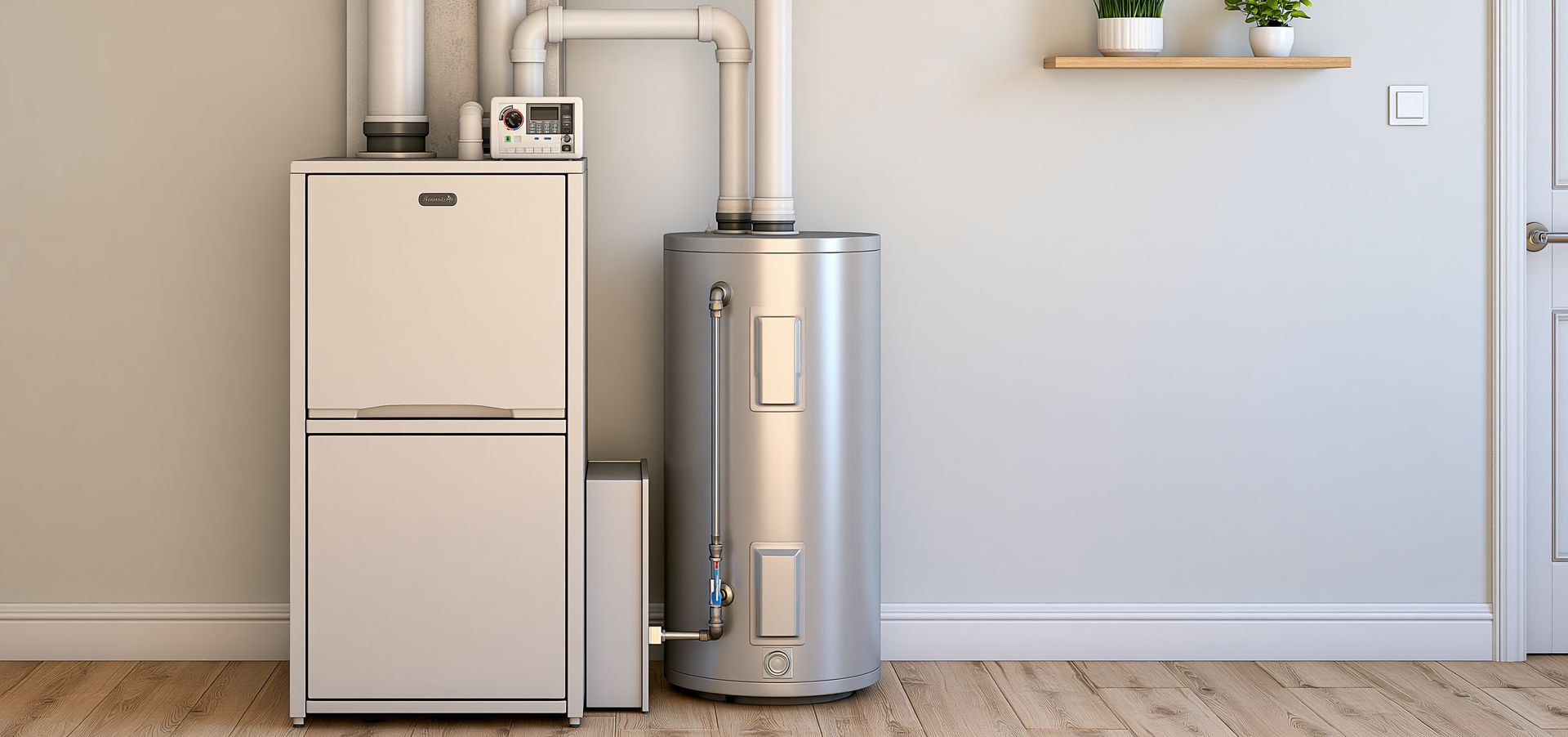
- HVAC systems
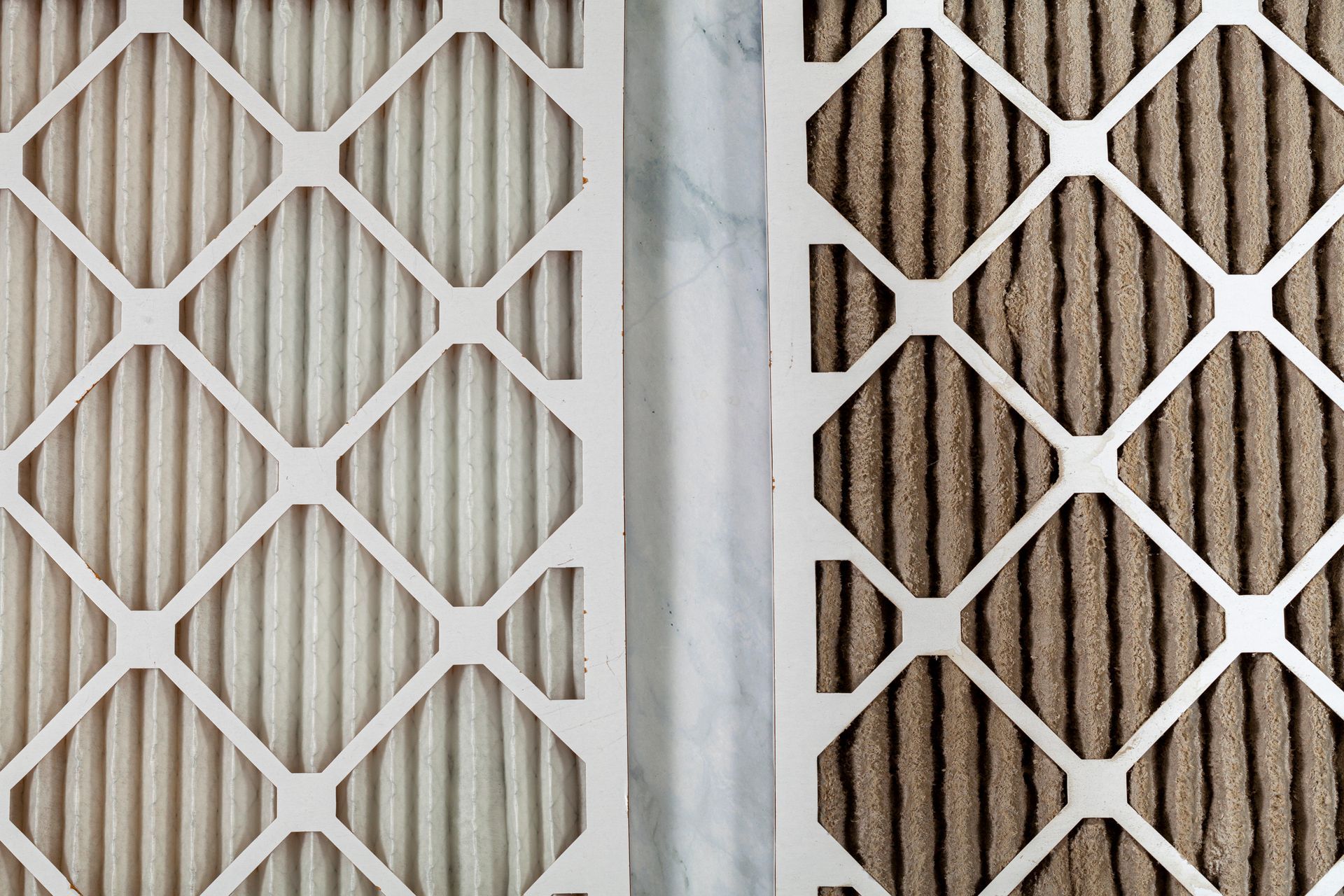
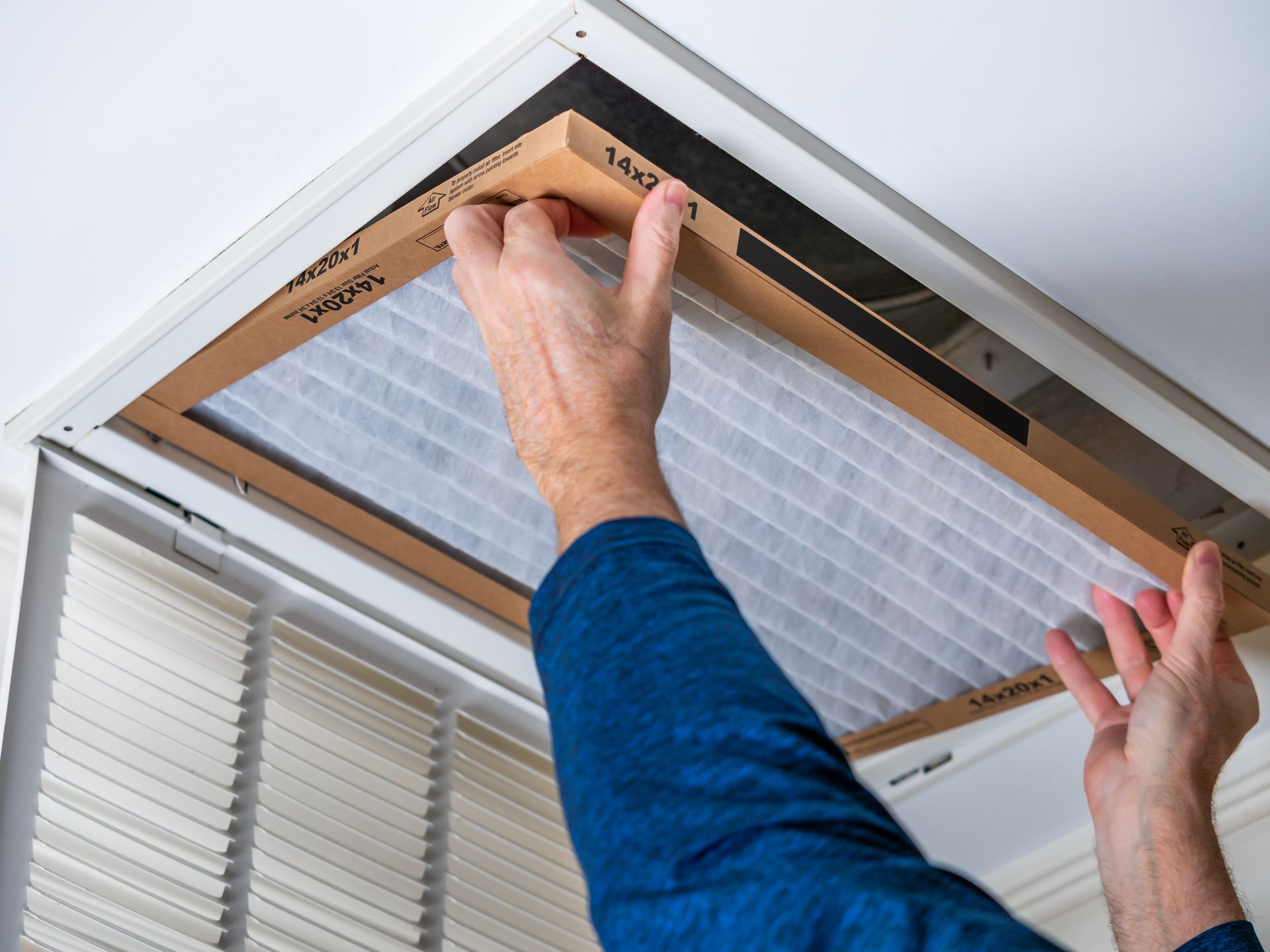
Without proper filtration, allergens continuously circulate. Poor HVAC air filtration can worsen allergy symptoms such as congestion, headaches, and fatigue.
Replacing filters and maintaining your system significantly improves home air quality.
Humidity Levels Begin to Rise
As temperatures increase, so does humidity. Excess indoor moisture can:
- Encourage mold growth
- Increase dust mite populations
- Create musty odors
- Reduce overall comfort
Balanced humidity levels are critical for healthy indoor air quality. Your HVAC system plays a central role in regulating moisture and preventing air from becoming damp and stagnant.
Spring Is a Transition Season for HVAC Systems
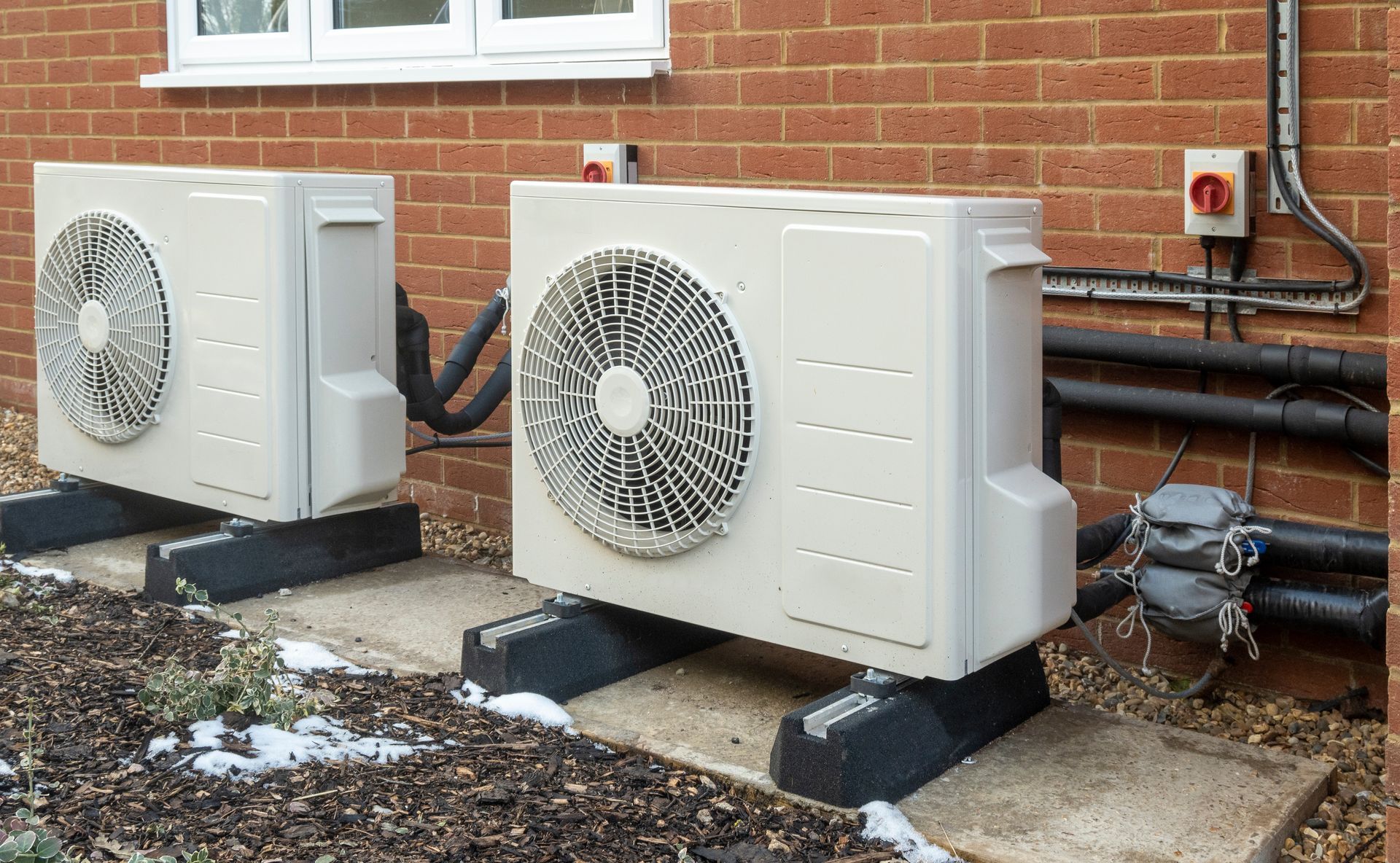
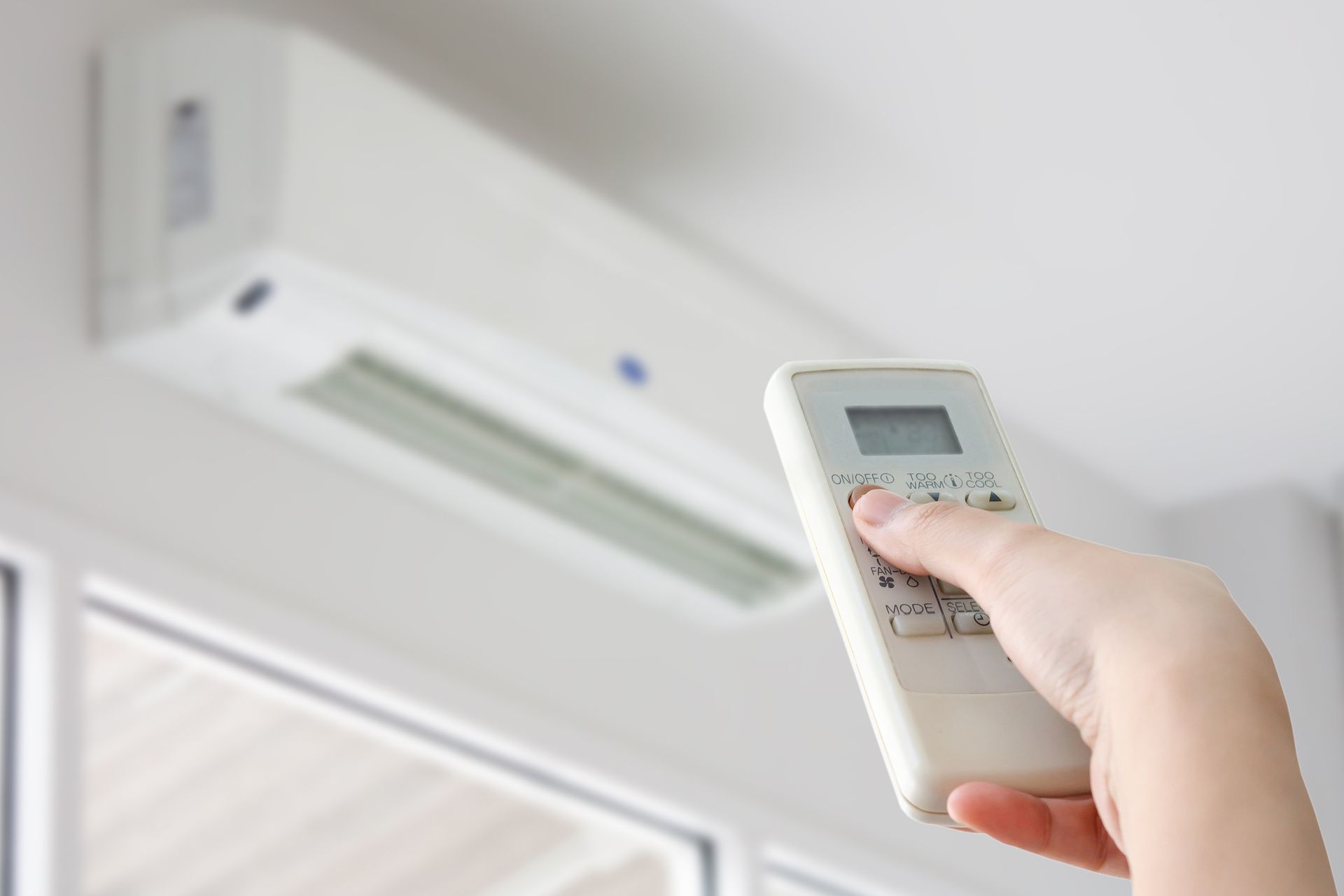
Many systems switch from heating to cooling in spring. If maintenance has been delayed, dust and debris that accumulated during winter can be recirculated once the system turns on.
A seasonal HVAC tune up helps:
- Clean internal components
- Check airflow efficiency
- Inspect ductwork
- Improve air circulation
This ensures your system supports clean, consistent airflow as temperatures rise.
Poor Indoor Air Can Affect Sleep and Productivity
Air quality impacts more than comfort. Pollutants and allergens inside the home may contribute to:
- Restless sleep
- Increased respiratory irritation
- Reduced concentration
- Aggravated asthma symptoms
Clean air supports overall wellness, especially during allergy season.
Signs Your Indoor Air Quality May Be Poor
Homeowners should watch for warning signs such as:
- Frequent sneezing indoors
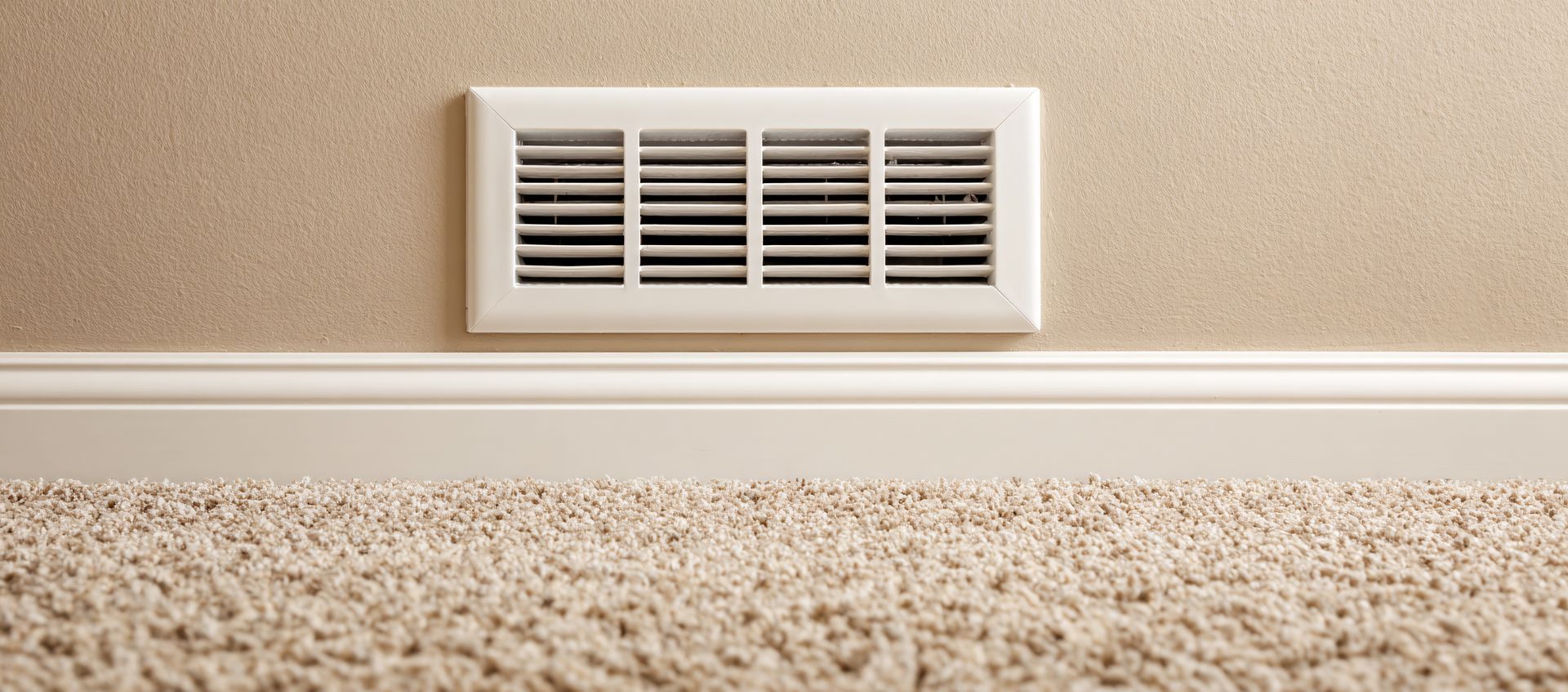
- Dust buildup near vents
- Uneven airflow between rooms
- Persistent odors
- Increased allergy symptoms
If these issues appear in spring, your HVAC system may need inspection.
How to Improve Indoor Air Quality This Spring
To improve indoor air quality in your home, consider:
- Replacing HVAC filters regularly
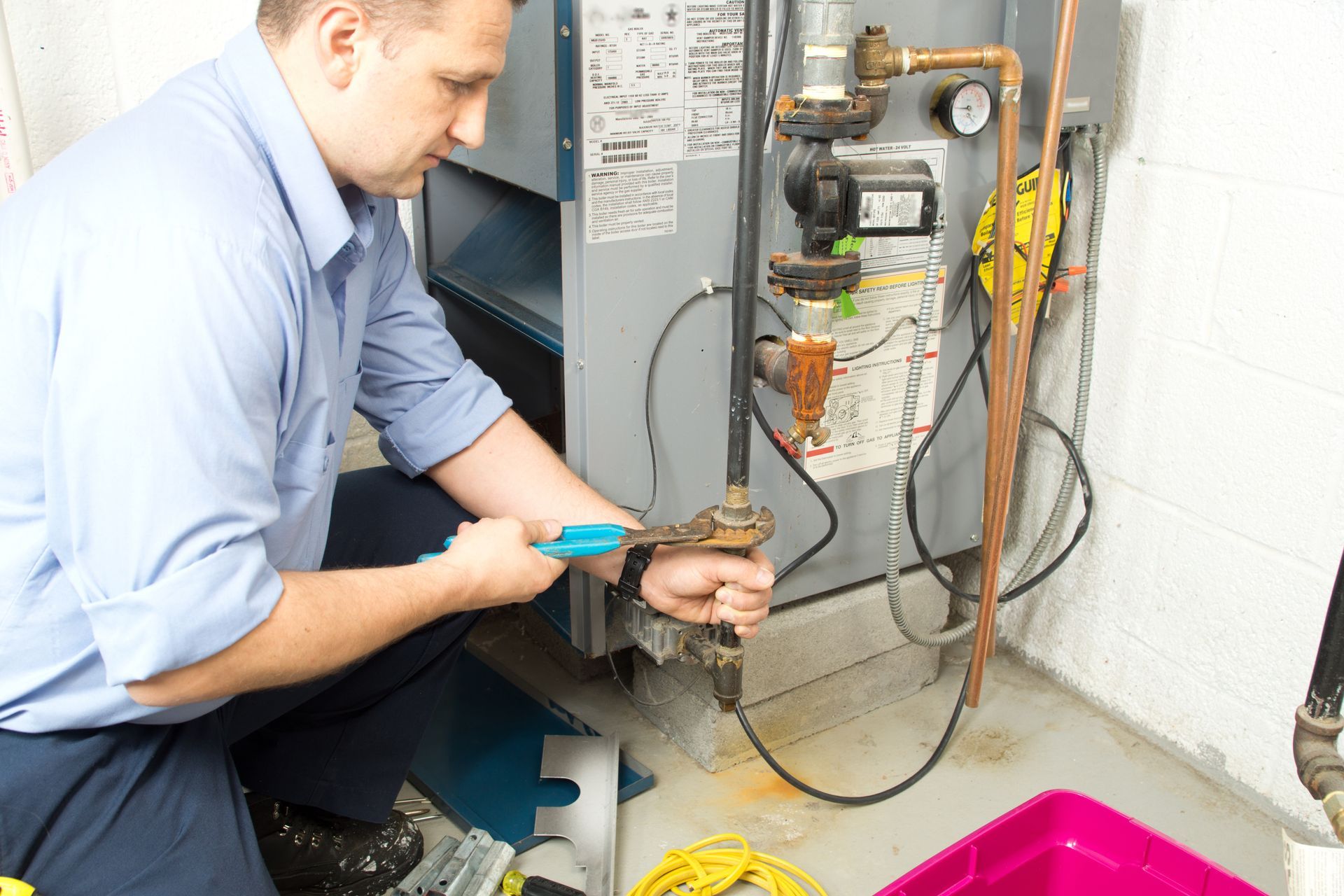
- Scheduling seasonal maintenance
- Installing a whole home air purifier
- Sealing duct leaks
- Controlling indoor humidity levels
Proactive maintenance prevents small issues from becoming long-term air quality problems.
Why Spring Is the Best Time for HVAC Maintenance
Spring offers the perfect window for preventive service before peak summer heat. Addressing air quality early ensures your system runs efficiently and delivers clean air throughout the cooling season.
Preventive care also helps extend equipment lifespan and reduce energy costs.
Cleaner Air Starts With the Right System Support
Indoor air quality directly affects your comfort, health, and HVAC performance. Spring is the ideal time to inspect, clean, and optimize your system before allergens and humidity intensify. CJ's Heating & Cooling helps homeowners improve indoor air quality, maintain efficient systems, and prepare for the warmer months with professional HVAC service and air quality solutions.