
Why You Should Change Your Air Filter Every 30 Days During Pollen Season
Spring brings warmer temperatures, blooming trees, and higher pollen levels. While many homeowners focus on outdoor allergens, what happens inside the home matters just as much. During peak pollen months, your HVAC system works harder to circulate air, trapping airborne particles along the way. Understanding why you should change your air filter every 30 days during pollen season can improve indoor air quality, system efficiency, and overall comfort.
How Pollen Affects Your HVAC System
Pollen enters the home through doors, windows, clothing, pets, and ventilation systems. Once inside, it becomes part of the air your HVAC system continuously circulates.
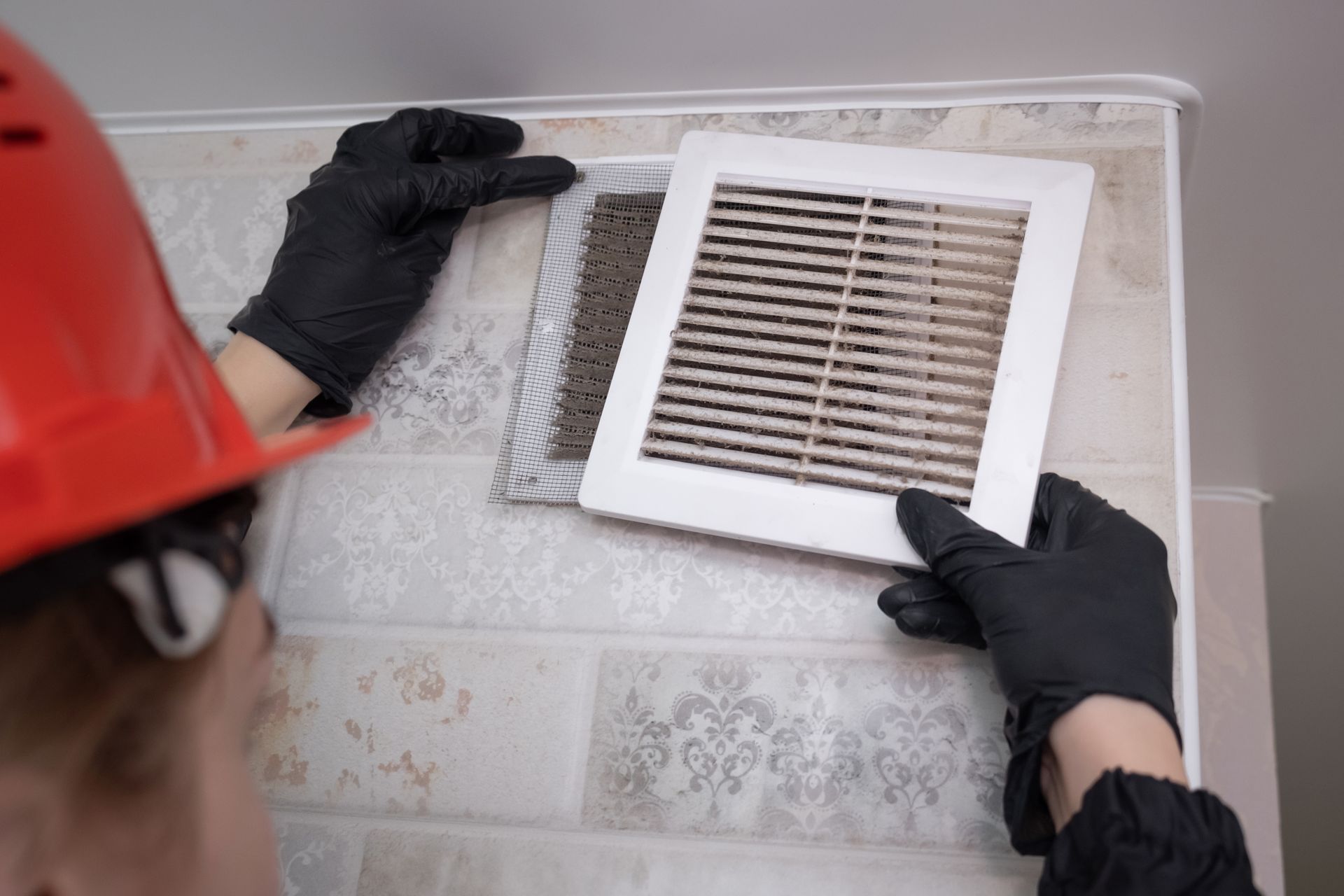
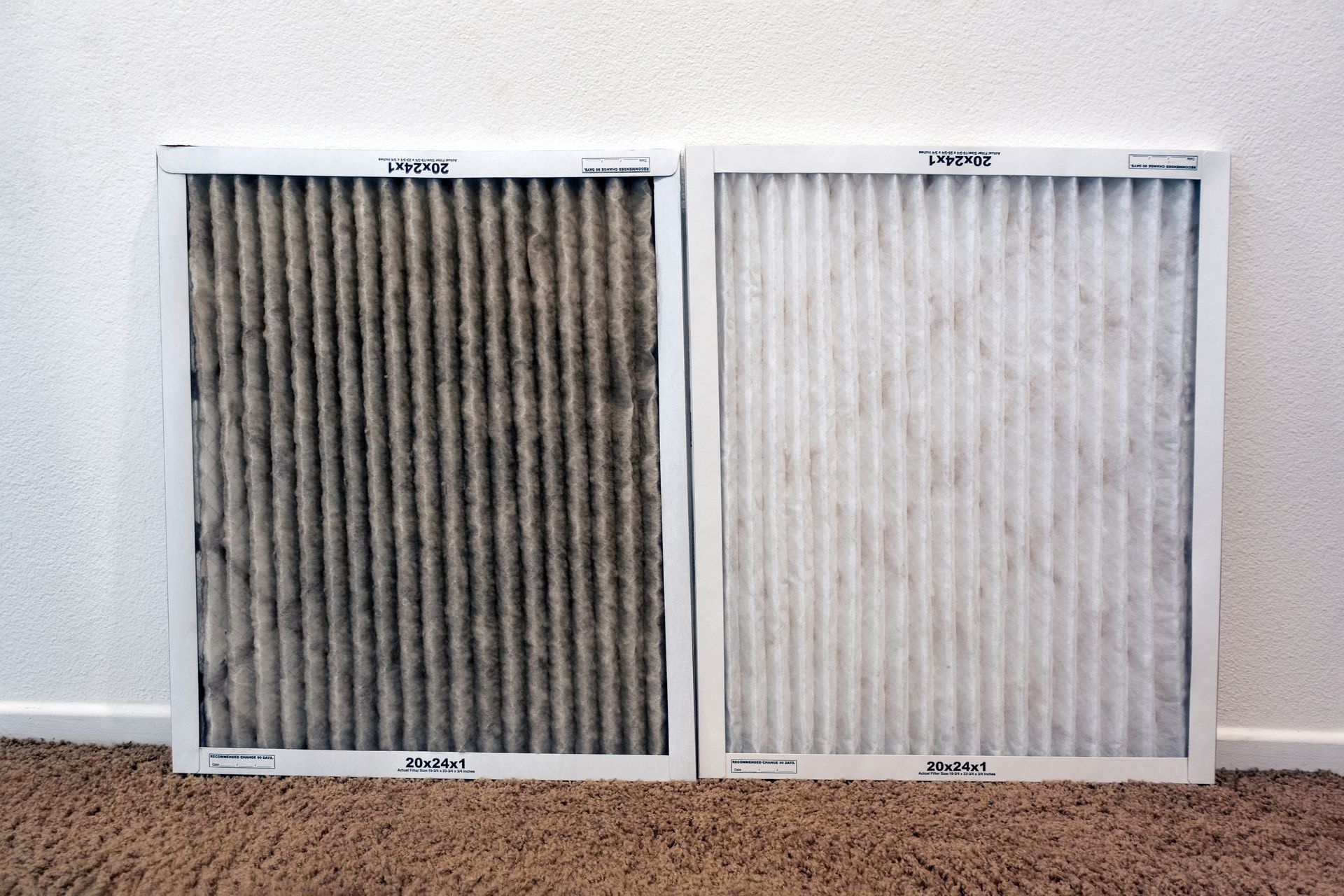
Your HVAC air filter is designed to capture pollen and other airborne debris. During pollen season, filters clog faster than usual, reducing airflow and forcing the system to work harder.
Why 30 Days Matters During Pollen Season
Under normal conditions, many air filters can last 60 to 90 days. During pollen season, however, waiting that long can cause problems.
Changing your air filter every 30 days helps:
- maintain proper airflow
- reduce pollen circulation
- support better indoor air quality
- prevent unnecessary HVAC strain
Monthly replacement keeps the system operating as intended during high allergen periods.
Improving Indoor Air Quality for Allergy Relief
For households with allergies or asthma, pollen buildup indoors can trigger symptoms even when windows are closed. A clean HVAC air filter captures pollen before it spreads through the home.
Regular filter changes are one of the simplest ways to improve indoor air quality during pollen season without costly upgrades.
Protecting HVAC Efficiency and Performance
A clogged filter restricts airflow, which forces the HVAC system to run longer to reach the desired temperature. This can lead to:
- higher energy bills
- uneven cooling
- increased wear on components
Routine air filter replacement supports efficient system performance and helps avoid unnecessary repairs.
Preventing Breakdowns During Peak Usage
Spring and early summer are often the first periods of extended AC use. Dirty filters can contribute to overheating, frozen coils, and system shutdowns.
Replacing filters monthly during pollen season reduces stress on the system and lowers the risk of unexpected breakdowns.
Choosing the Right Air Filter for Pollen Season
Not all filters perform the same. Filters with higher MERV ratings capture smaller particles like pollen more effectively, but they must be compatible with your system.
Using the right air filter for pollen season ensures proper filtration without restricting airflow.
A Simple Habit With Long-Term Benefits
Changing your air filter every 30 days is a small task with noticeable benefits. Cleaner air, better airflow, and improved system reliability all stem from consistent maintenance.
This habit is especially important during pollen season when indoor air quality challenges peak.
Keeping Your Home Comfortable Through Allergy Season
Pollen season places extra demands on both your home and HVAC system. Changing your air filter every 30 days helps protect indoor air quality, reduce allergens, and maintain efficient performance. CJ’s Heating & Cooling provides professional HVAC maintenance services and guidance to help homeowners stay comfortable and breathe easier throughout allergy season and beyond.