
How Long Does a Furnace Last? 7 Signs It May Be Time to Replace It
If your furnace has kept your home warm for many winters, you may be wondering how much longer you can count on it. A furnace that is more than 15 years old is generally at an age when homeowners should start considering replacement, especially if it also needs frequent repairs, costs more to operate, or struggles to keep the home comfortable.
Age alone, however, does not determine when a furnace needs to be replaced. Maintenance history, system condition, efficiency, installation quality, and how heavily the equipment has been used can all affect its useful life.
Knowing the warning signs of an aging furnace can help you plan ahead instead of being forced to make a decision after the heat goes out on a cold winter day.
How Long Does a Furnace Usually Last?
There is no exact expiration date for a furnace. Some systems continue operating beyond the point when replacement should first be considered, while others develop significant problems sooner.
As a useful benchmark, ENERGY STAR recommends considering replacement when a furnace or boiler is more than 15 years old. Age becomes more significant when it is accompanied by increasing energy bills, frequent repairs, or comfort problems.
That does not mean you automatically need to replace your furnace on its 15th birthday. A professional evaluation can help determine whether an older system is still operating reliably and efficiently or whether investing in a new system makes more sense.
Several factors can influence furnace lifespan, including:
- How consistently the furnace has been maintained
- The quality of the original installation
- How frequently the system runs
- Whether repairs have been addressed promptly
- The condition of related components, including ductwork
- The furnace's efficiency and overall condition
Regular heater maintenance can help identify developing problems and keep the equipment operating properly. However, even a well-maintained furnace will eventually reach a point when replacement becomes worth considering.
What Are the Signs That Your Furnace May Need to Be Replaced?
An older furnace does not always fail suddenly. Often, it provides warning signs first. If you notice one or more of the following problems, it may be time to have the system evaluated.
1. Your Furnace Is More Than 15 Years Old
Age is one of the easiest indicators to check.
If your furnace is approaching or has passed 15 years of service, start paying closer attention to its performance. ENERGY STAR identifies furnaces over 15 years old as candidates for replacement consideration.
An older furnace that still heats your home reliably does not necessarily need immediate replacement. However, knowing its age gives you time to prepare for the possibility rather than waiting for an unexpected failure.
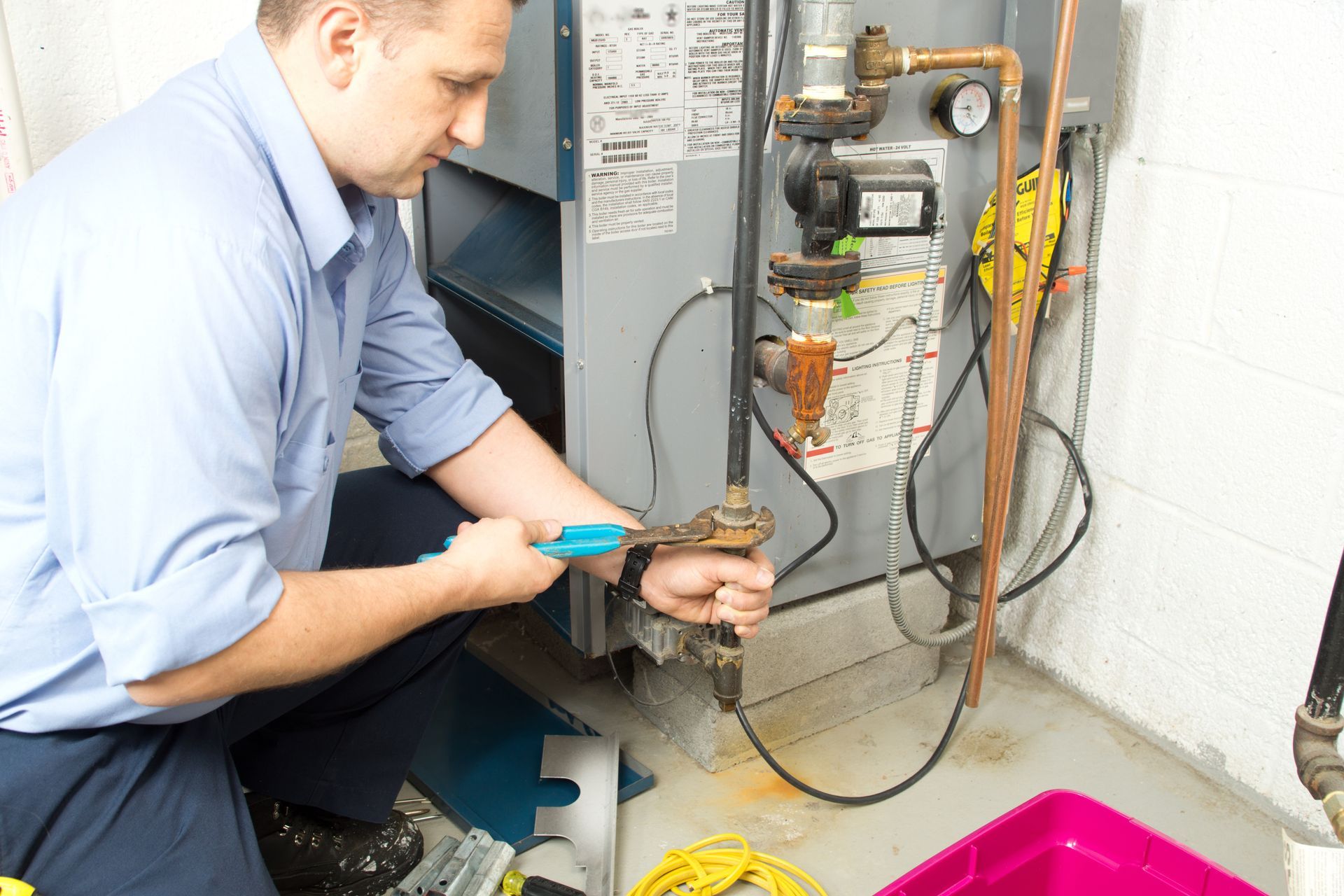
If you do not know the age of your furnace, an HVAC professional can often use the equipment's model and serial information to help identify it.
2. Your Furnace Needs Repairs More Frequently
An occasional repair does not necessarily mean you need a new heating system. As repair calls become more frequent, however, it is worth considering whether continuing to put money into an aging furnace is the best investment.
Ask yourself:
- Has the furnace required multiple repairs recently?
- Are the repairs becoming more expensive?
- Are different components beginning to fail?
- Do you worry about whether the furnace will make it through another winter?
ENERGY STAR lists equipment that requires frequent repairs while energy bills are increasing as another sign that replacement may be appropriate.
If your system develops a problem, professional heater repair can determine what is wrong and whether repairing the existing furnace remains practical.
3. Your Heating Bills Keep Increasing
Heating costs can change for many reasons, including weather and energy prices, so a higher bill does not automatically point to a failing furnace.
But if your energy consumption appears to be increasing without a major change in how you use your home, declining furnace performance may be one factor worth investigating.
As heating equipment ages or develops mechanical problems, it may have to run longer or more often to maintain the same indoor temperature.
Efficiency is also an important consideration when comparing an older furnace with a potential replacement. Furnace efficiency is commonly expressed as Annual Fuel Utilization Efficiency (AFUE), which represents how much of the fuel's energy is converted into usable heat over a heating season.
4. Some Rooms Are Too Hot While Others Stay Cold
Your furnace should help maintain reasonably consistent comfort throughout the home. If some rooms are comfortable while others never seem warm enough, there may be a problem somewhere in the heating system.
Uneven heating can have several causes, including:
- Furnace performance problems
- Leaky or poorly designed ductwork
- Insulation or air-sealing issues
- Blocked or closed vents
- Improper equipment sizing
Because uneven temperatures do not always mean the furnace itself is failing, a professional diagnosis is important before deciding to replace equipment.
5. The Furnace Runs Constantly or Cycles On and Off Frequently
A furnace normally turns on and off as your home needs heat. A noticeable change in that pattern deserves attention.
If the furnace seems to run almost continuously without reaching the thermostat setting, it may be struggling to keep up. On the other hand, a system that repeatedly starts and stops in short intervals may be short cycling.
These symptoms can have several causes, ranging from thermostat and airflow issues to equipment problems. They should be diagnosed before assuming that replacement is necessary.
6. You Hear New or Unusual Noises
No furnace is completely silent, but you probably know what your heating system normally sounds like.
Banging, rattling, squealing, grinding, or other new noises can indicate a mechanical problem that needs attention. The cause may be repairable, so noise alone does not necessarily mean you need a new furnace.
However, unusual noises combined with advanced equipment age, recurring repairs, or declining performance can strengthen the case for considering replacement.
7. Your Home Is No Longer Comfortable
Ultimately, your furnace has one main job: keeping your home comfortably heated.
If the system runs but regularly struggles to maintain the temperature you set, it is worth finding out why. An HVAC technician can determine whether the problem is with the furnace itself or another part of the home comfort system.
When an older furnace can no longer provide reliable comfort without repeated repairs, replacement may offer a better long-term solution.
Should You Repair or Replace an Old Furnace?
The answer depends on the specific furnace. There is no single repair-cost threshold that makes sense for every homeowner or every heating system.
For a newer furnace with an isolated, repairable problem, repair may be the logical choice. For an older system facing an expensive repair, declining efficiency, and repeated service calls, putting that money toward replacement may make more sense.
Consider these questions:
- How old is the furnace?
- What is the cost and scope of the current repair?
- Has the system needed other repairs recently?
- Is the furnace still heating the home effectively?
- Have heating costs been increasing?
- Are replacement parts readily available?
- Would a new system provide meaningful efficiency or comfort improvements?
A trustworthy HVAC professional should explain the condition of the equipment and your options so you can make an informed decision rather than automatically recommending replacement.
What Should You Look for in a New Furnace?
If replacement is the right choice, selecting a new furnace involves more than finding equipment that fits in the same space.
Proper sizing is essential. A furnace that is too large or too small for the home can create comfort and performance problems. An HVAC professional should consider the home's heating needs rather than simply assuming the existing furnace was sized correctly.
Efficiency is another consideration. ENERGY STAR explains that certified furnaces must meet specific efficiency requirements, and Pennsylvania is classified within its U.S. North region for furnace criteria.
You may also want to discuss:
- Fuel type
- AFUE rating
- Equipment size and heating capacity
- Compatibility with existing ductwork
- Thermostat and control options
- Manufacturer and equipment warranties
- Installation requirements
CJ's Heating & Cooling provides professional heater installation and can help homeowners compare their heating options based on the needs of their home.
Can Maintenance Help Your Furnace Last Longer?
Preventive maintenance cannot make a furnace last forever, but it can help keep the system operating properly and catch developing issues before they become larger problems.
A professional tune-up provides an opportunity to inspect the heating system, identify worn or malfunctioning components, and verify that the equipment is ready for the demands of colder weather.
ENERGY STAR also recommends regular HVAC maintenance to help prevent future problems and unwanted costs.
If your furnace is still in good condition, keeping up with heater maintenance may help you get the most from your existing equipment. If the system is already showing several signs of decline, maintenance also gives you an opportunity to discuss how much useful service life may remain.
Plan Ahead Before Your Furnace Stops Working
You do not have to wait for a complete breakdown to start thinking about furnace replacement.
If your heating system is more than 15 years old, needs frequent repairs, produces uneven temperatures, or is becoming more expensive to operate, having it evaluated before winter can give you more time to consider your options.
CJ's Heating & Cooling provides heating services for furnaces and other heating systems throughout Wind Gap, Northampton County, the Poconos, and surrounding communities. Whether your system needs maintenance, repair, or replacement, our experienced technicians can inspect your equipment and recommend what is best for your home.
Contact CJ's Heating & Cooling today at (610) 314-1210 to schedule heating service.
Is a 20-year-old furnace too old?
A furnace that has reached 20 years of age is well beyond the 15-year point at which ENERGY STAR recommends homeowners consider replacement. That does not mean every 20-year-old furnace must immediately be replaced, but its age, reliability, efficiency, repair history, and overall condition should be evaluated.
Should I replace my furnace before it breaks?
You do not necessarily need to replace a working furnace solely because it is old. However, planning for replacement can make sense when an aging system also requires frequent repairs, costs more to operate, or no longer heats the home effectively. Planning ahead also gives you more time to compare equipment rather than making a rushed decision during a no-heat emergency.
How do I know how old my furnace is?
Look for the manufacturer's data plate or label on the furnace. It typically contains the model and serial numbers. Depending on the manufacturer, the serial number can often be used to determine when the equipment was manufactured. An HVAC technician can also help identify the system's approximate age.
Is it worth repairing an old furnace?
It depends on the furnace's age, condition, repair cost, reliability, and efficiency. A relatively minor repair may still make sense for an older furnace in otherwise good condition. Repeated or expensive repairs on a system already showing other signs of decline may make replacement a better long-term option.
Does a new furnace use less energy?
A new furnace can be more efficient than older, less-efficient equipment, but actual energy use and savings depend on the old and new systems, installation, home characteristics, thermostat settings, weather, and other factors. AFUE ratings can help homeowners compare the fuel-use efficiency of different furnace models.