What Is the Best Thermostat Setting for Winter?5
When colder weather arrives, finding the right thermostat setting can make a noticeable difference in your home's comfort and heating costs. Setting the temperature too high can increase energy use, while lowering it too much may leave your home uncomfortable.
For many households, 68°F is a practical starting point for winter thermostat settings when you're home and awake. You can adjust that temperature to suit your comfort, health needs, and heating system. Homes with conventional furnaces may also save energy by lowering the thermostat while everyone is asleep or away.
At CJ's Heating & Cooling, we know how important dependable heating is during Pennsylvania's colder months. Understanding how to use your thermostat efficiently can help you stay comfortable without making your heating system work harder than necessary.
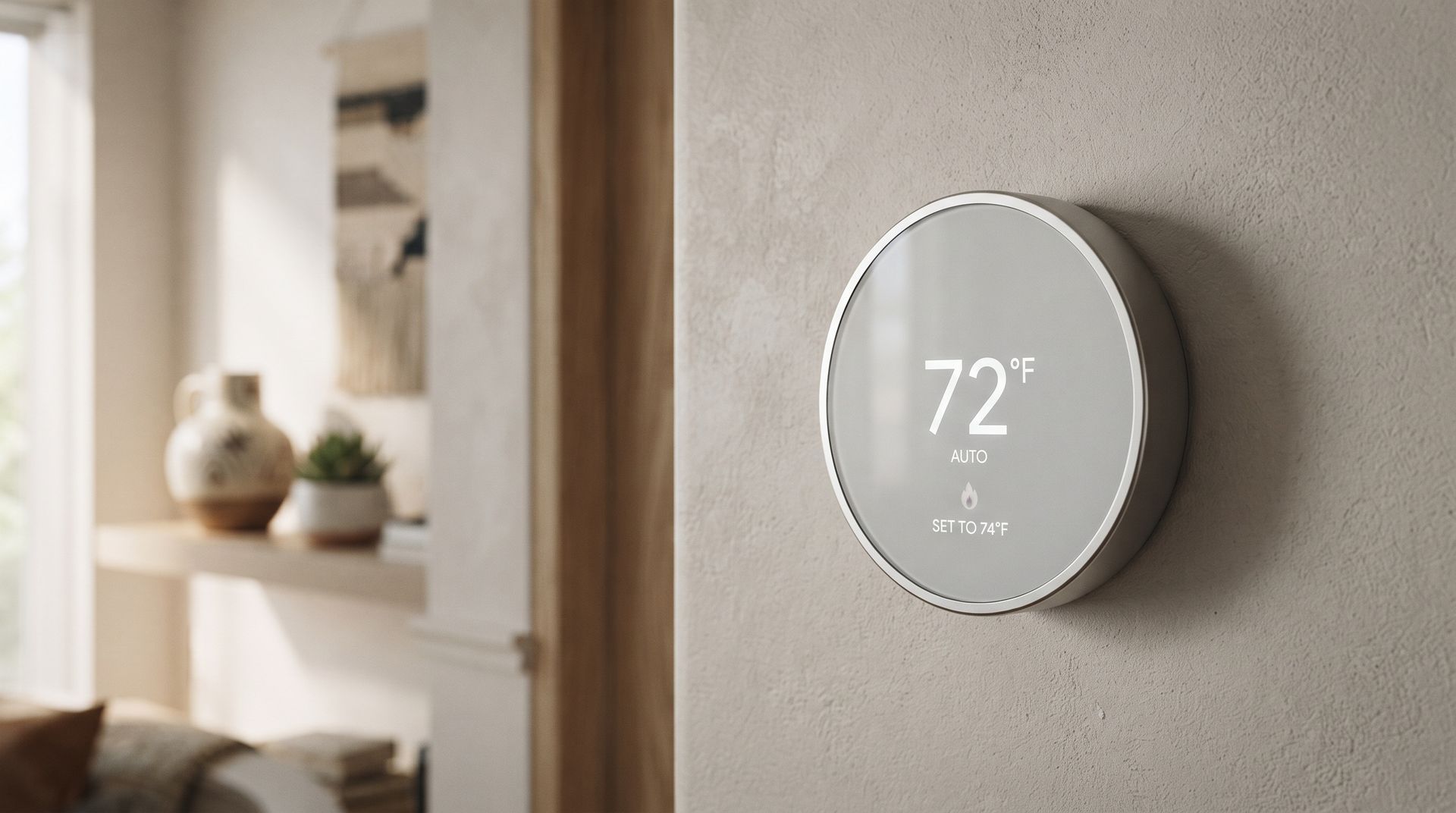
What Temperature Should You Set Your Thermostat to in Winter?
The best thermostat temperature depends on your home's insulation, your heating equipment, and your family's comfort preferences.
A useful starting point is:
- 68°F when you're home and awake: A commonly recommended energy-conscious starting temperature.
- 60–65°F while sleeping: A possible range for households that are comfortable with cooler nighttime temperatures and have a conventional heating system.
- 60–65°F while away: A potential energy-saving range for extended absences, depending on the home, weather, occupants, and heating equipment.
These temperatures are general examples, not requirements. Households with infants, older adults, medical needs, or other temperature sensitivities may need warmer settings.
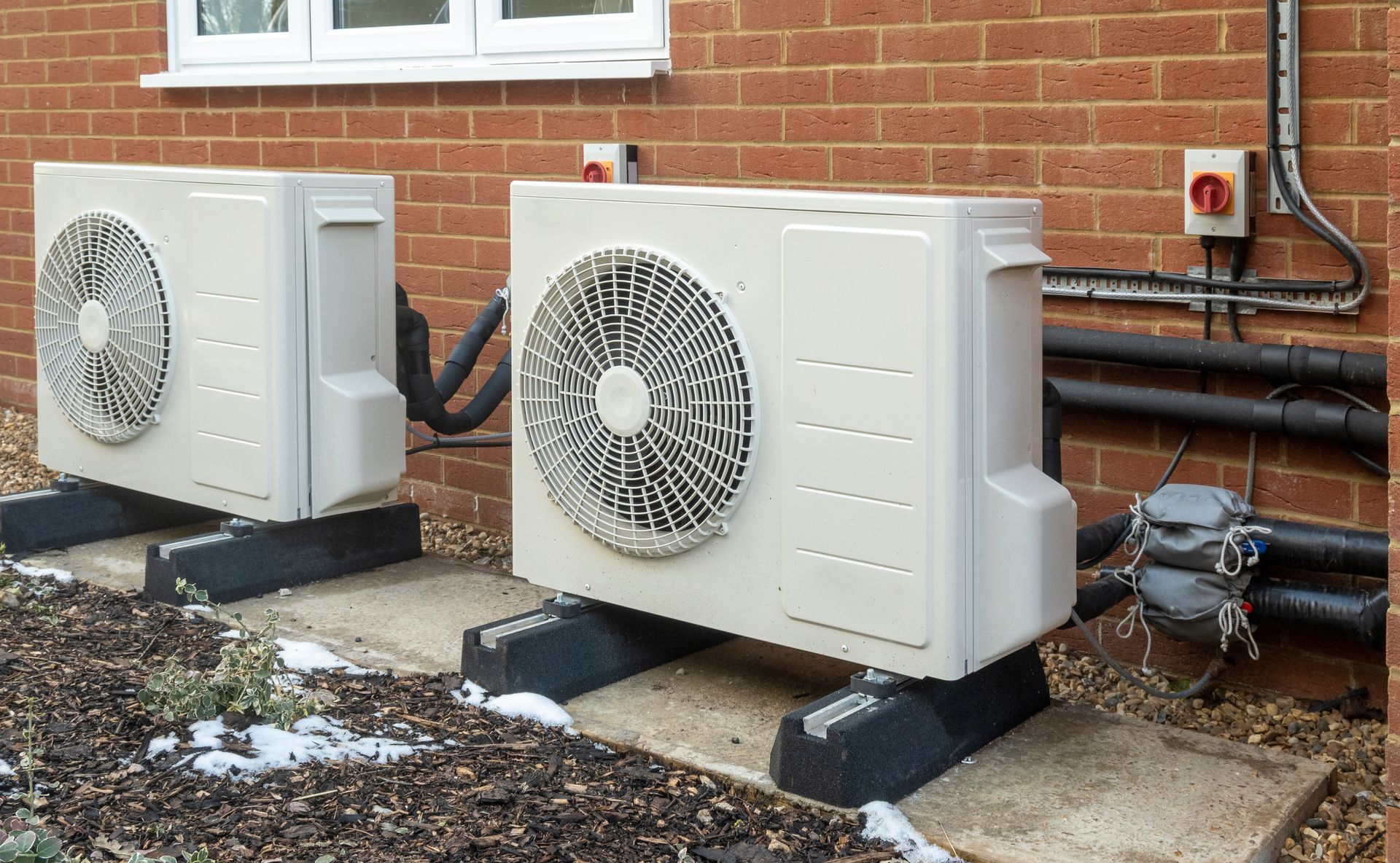
If your home uses a heat pump, larger temperature setbacks may not be the most efficient option. The best schedule depends on the system and its controls.
The U.S. Department of Energy offers additional information about reducing home heating costs through thermostat adjustments and other energy-saving practices.
Can Lowering Your Thermostat Save Money in Winter?
Yes. Reducing your thermostat setting can lower heating energy consumption because your home loses heat more slowly when the temperature difference between indoors and outdoors is smaller.
According to the U.S. Department of Energy, lowering the thermostat by 7–10°F for approximately eight hours per day can save as much as 10% annually on heating and cooling costs under suitable conditions.
Actual savings depend on factors such as:
- Your heating system and fuel type
- Outdoor temperatures
- Insulation and air sealing
- The length of the temperature setback
- Your household's daily schedule
- Your home's overall energy efficiency
For homeowners with conventional furnaces, a programmable thermostat can make these adjustments easier by automatically following a schedule.
However, not every heating system benefits from the same strategy.
Should You Lower Your Thermostat at Night?
Lowering your thermostat overnight can help reduce heating costs, especially when you have a conventional furnace or boiler.
For example, if you normally keep your home at 68°F, you might experiment with a slightly lower temperature while sleeping.
Start with a small adjustment and determine whether your household remains comfortable. Avoid settings that could create health or safety concerns.
A programmable thermostat allows you to schedule the temperature to rise before you wake up, helping your home feel comfortable when you begin your day.
For heat pumps, consult the manufacturer's recommendations before using large nighttime setbacks. Some systems may activate supplemental electric resistance heat during recovery, potentially offsetting the expected savings.
Are Programmable and Smart Thermostats Worth It?
Programmable and smart thermostats can make managing your heating system more convenient.
A programmable thermostat follows a schedule you create. A smart thermostat may offer additional features, including remote access, energy-use reports, and automatic schedule adjustments.
Potential benefits include:
- Reducing unnecessary heating while you're away
- Maintaining consistent temperatures throughout the day
- Automatically adjusting temperatures before bedtime
- Helping homeowners better understand heating patterns
- Reducing the need for frequent manual adjustments
The Department of Energy explains how programmable thermostats can help households manage heating and cooling more efficiently.
Before upgrading, make sure the thermostat is compatible with your furnace, boiler, heat pump, or other heating equipment. Certain systems require specialized controls.
What Thermostat Settings Work Best for Heat Pumps?
Heat pumps operate differently from conventional furnaces, so thermostat recommendations are not always interchangeable.
Many heat pumps work efficiently by maintaining a relatively consistent indoor temperature. Large temperature setbacks may cause some systems to activate auxiliary heat when recovering to a warmer setting.
Auxiliary electric resistance heating can use significantly more electricity than normal heat pump operation.
If your home has a heat pump:
- Start with a comfortable, consistent temperature.
- Use a thermostat designed for your heat pump.
- Avoid unnecessarily activating emergency heat.
- Follow manufacturer recommendations for temperature setbacks.
- Ask an HVAC professional about settings that minimize unnecessary auxiliary heating.
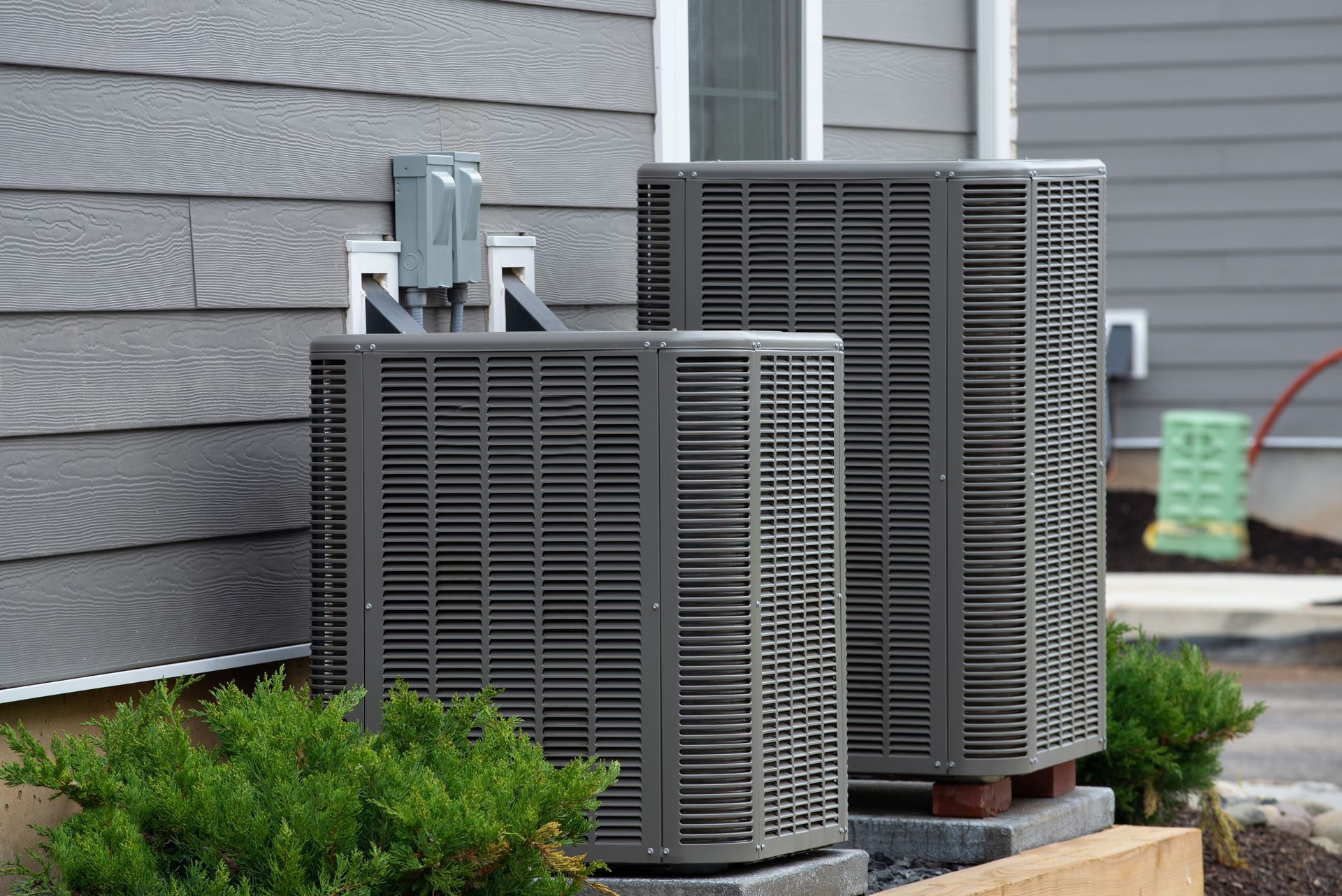
CJ's Heating & Cooling provides heating services for different types of home heating systems, including heat pumps and furnaces.
Why Does Your Home Still Feel Cold When the Thermostat Is Set Correctly?
Sometimes, the problem isn't the thermostat setting itself.
If your thermostat reads 68°F but certain rooms still feel uncomfortable, other issues may be affecting your home's heating performance.
Common possibilities include:
Poor Insulation or Air Leaks
Drafty windows, doors, and poorly insulated spaces allow heated air to escape and cold outdoor air to enter.
Restricted Airflow
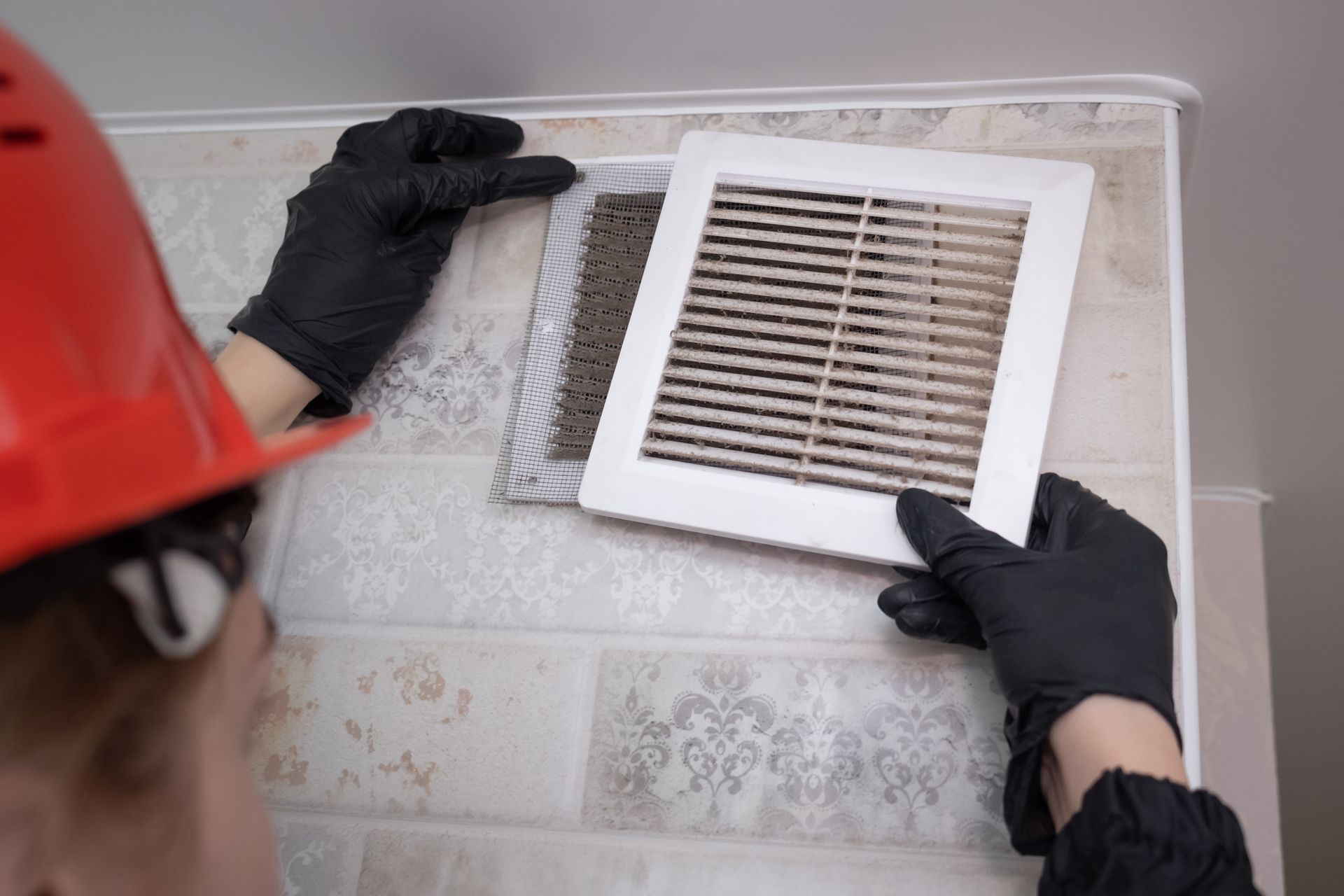
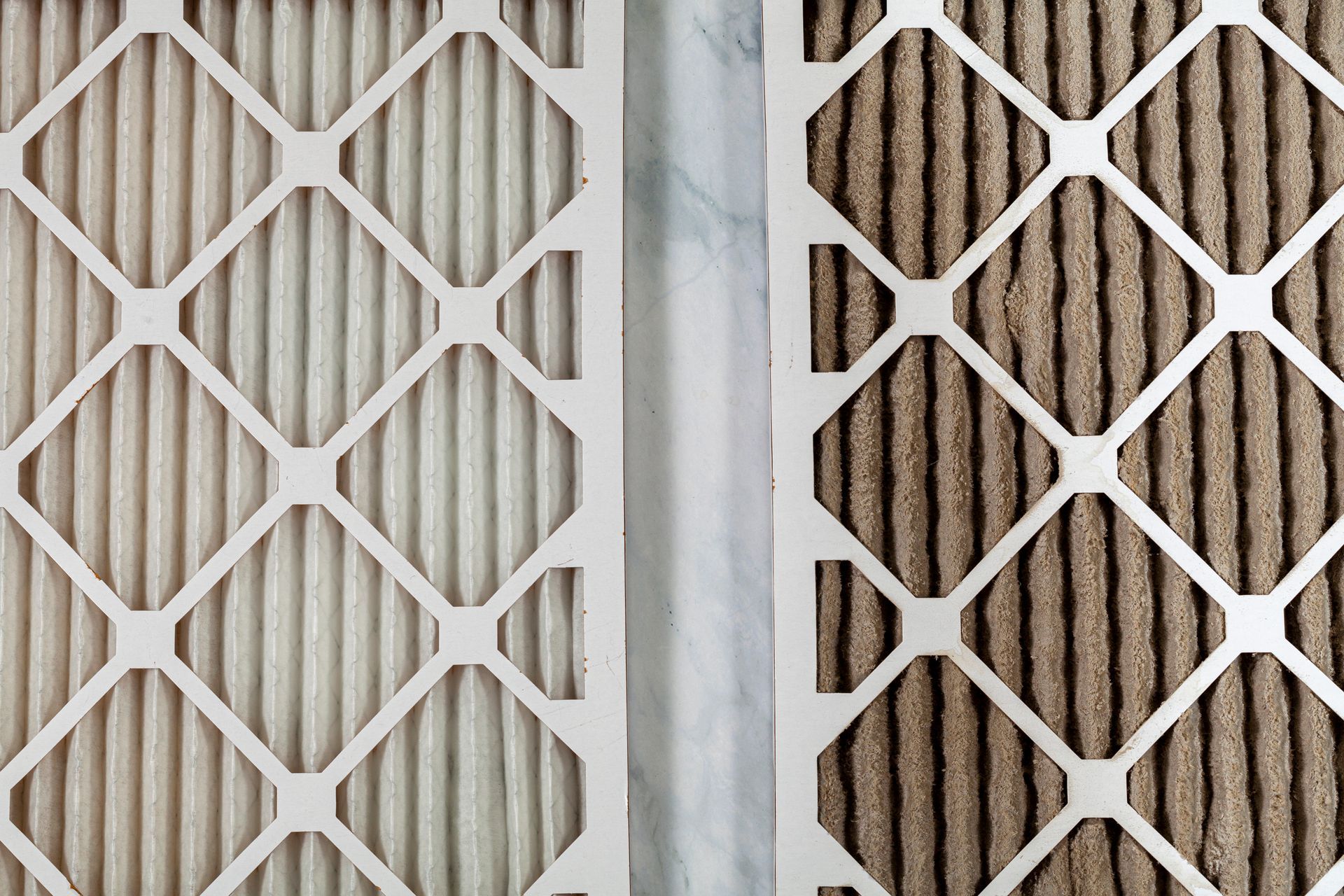
Dirty filters, blocked vents, and ductwork problems can prevent warm air from circulating effectively.
Thermostat Location
A thermostat positioned near direct sunlight, exterior doors, or other heat sources may not accurately represent temperatures throughout the home.
Heating System Problems
An aging or malfunctioning furnace may struggle to maintain consistent temperatures even when the thermostat is working correctly.
If your heating system frequently runs without reaching the selected temperature, professional heater repair may be necessary.
How Can You Improve Heating Efficiency Beyond Thermostat Settings?
Thermostat adjustments are only one part of maintaining an efficient heating system.
Homeowners can also take several practical steps to improve comfort during colder weather.
Replace dirty air filters. Check your filter regularly and replace it according to the manufacturer's instructions and household conditions.
Keep vents unobstructed. Make sure furniture, rugs, and other items aren't blocking supply or return vents.
Seal drafts. Weatherstripping and caulking can reduce unwanted air leaks around windows and doors.
Use sunlight strategically. Open curtains on sunny windows during the day and close them at night to help manage heat gain and loss.
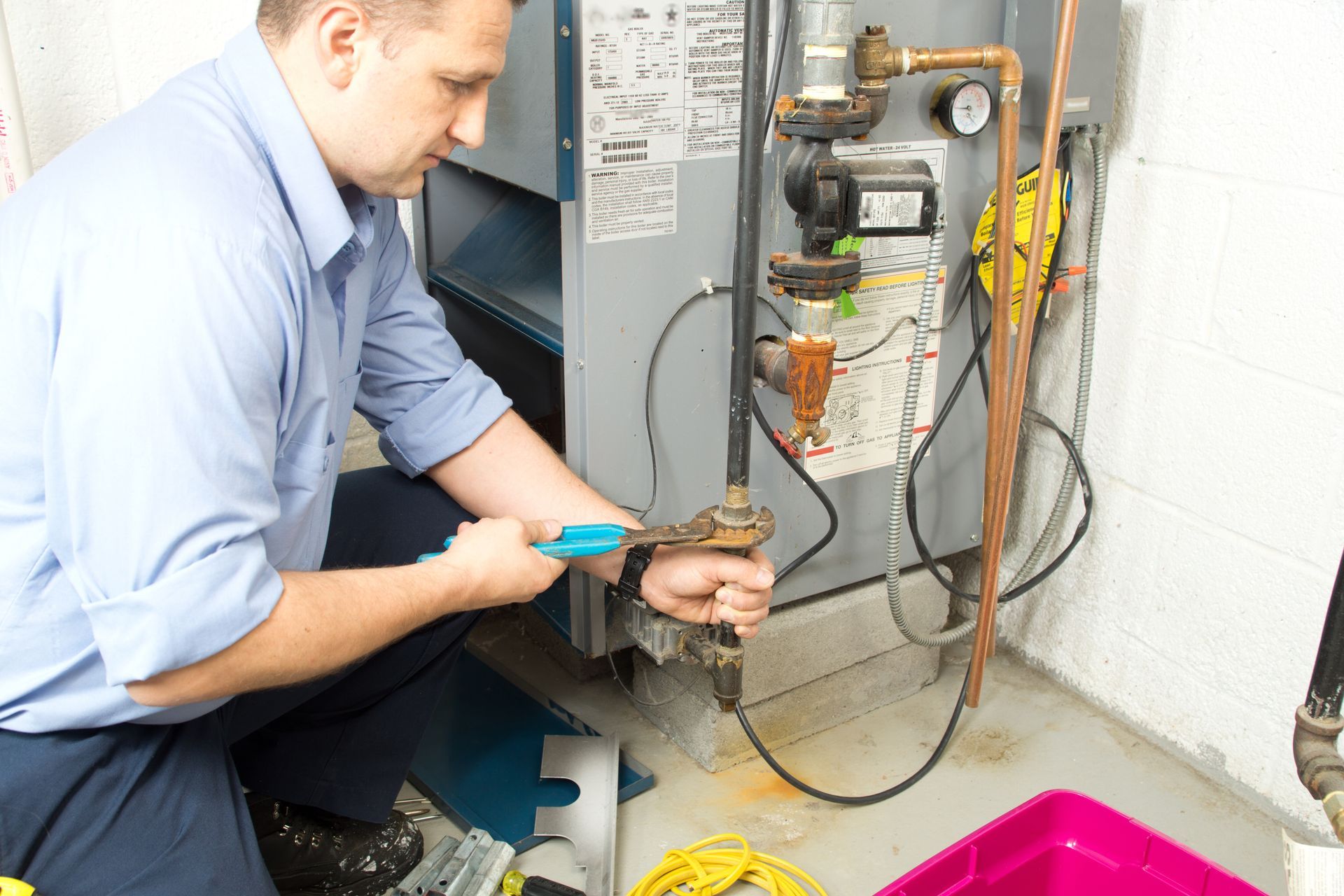
Schedule heating maintenance. Professional inspections can identify airflow restrictions, worn components, and performance problems before they lead to unexpected breakdowns.
CJ's Heating & Cooling offers heater maintenance to help homeowners prepare their heating equipment for the demands of winter.
Is 68 degrees a good thermostat setting for winter?
Yes. For many households, 68°F is a reasonable starting point while home and awake. The ideal temperature ultimately depends on comfort preferences, health needs, and the home's heating system.
What is the cheapest temperature to keep your house in winter?
Generally, a lower indoor temperature reduces heating energy use. However, there is no single lowest-cost setting appropriate for every household. The temperature must remain safe for occupants and help protect the home from freezing conditions.
Should I leave my thermostat at the same temperature all winter?
It depends on your heating equipment. Conventional furnaces may benefit from scheduled setbacks, while heat pumps may operate more efficiently with relatively consistent settings.
Does turning the thermostat higher heat your home faster?
Usually not. On most conventional heating systems, setting the thermostat much higher than your desired temperature does not make the home warm up faster. It may simply cause the system to run longer than necessary.
Can a thermostat cause high heating bills?
Yes. Excessively high temperature settings, inefficient schedules, incorrect controls, or a malfunctioning thermostat can contribute to increased energy consumption. Heating equipment and home insulation also affect utility costs.
Keep Your Home Comfortable This Winter With CJ's Heating & Cooling
Finding the best thermostat setting for winter is about balancing comfort, efficiency, and the needs of your heating system.
Small temperature adjustments, proper thermostat programming, and routine heating maintenance can help your home stay comfortable as temperatures drop.
If your furnace or heat pump struggles to maintain the temperature you set, CJ's Heating & Cooling can help identify the problem and recommend the appropriate solution.
Serving Wind Gap, Easton, Northampton County, and surrounding Pennsylvania communities, CJ's Heating & Cooling provides professional heating repair, maintenance, and installation services.
Contact CJ's Heating & Cooling or call (610) 314-1210 to schedule heating service and prepare your home for colder weather.