Why Does My Furnace Keep Turning On and Off? 7 Common Causes
When temperatures drop in Wind Gap and throughout Northampton County, your furnace should keep your home comfortably warm. But what happens when it starts running for a few minutes, shutting off, and then turning back on again?
If your furnace keeps turning on and off before your home reaches the thermostat setting, it may be short cycling. Common causes include a clogged air filter, restricted airflow, thermostat problems, overheating, or a malfunctioning furnace component.
Some causes are simple to check, while others require professional heating repairs. Understanding the warning signs can help you protect your heating system and avoid an unexpected breakdown during Pennsylvania's colder months.
What Is Furnace Short Cycling?
Furnace short cycling happens when your heating system repeatedly starts and stops without completing a normal heating cycle.
A furnace naturally turns on and off throughout the day to maintain your home's temperature. How frequently it runs depends on outdoor temperatures, your home's insulation, thermostat settings, and the equipment itself.
However, if your furnace shuts down after only a short period, restarts repeatedly, or struggles to reach the desired temperature, something may be interfering with its operation.
Common signs of furnace short cycling include:
- The furnace turns on and shuts off after just a few minutes.
- Your home never reaches the thermostat setting.
- Some rooms feel colder than others.
- Your heating system starts more frequently than usual.
- Your energy bills increase without an obvious explanation.
Frequent cycling doesn't automatically mean your furnace needs replacement. Identifying the underlying cause is the first step toward choosing the right solution.
7 Common Reasons Your Furnace Keeps Turning On and Off
1. A Dirty or Clogged Air Filter
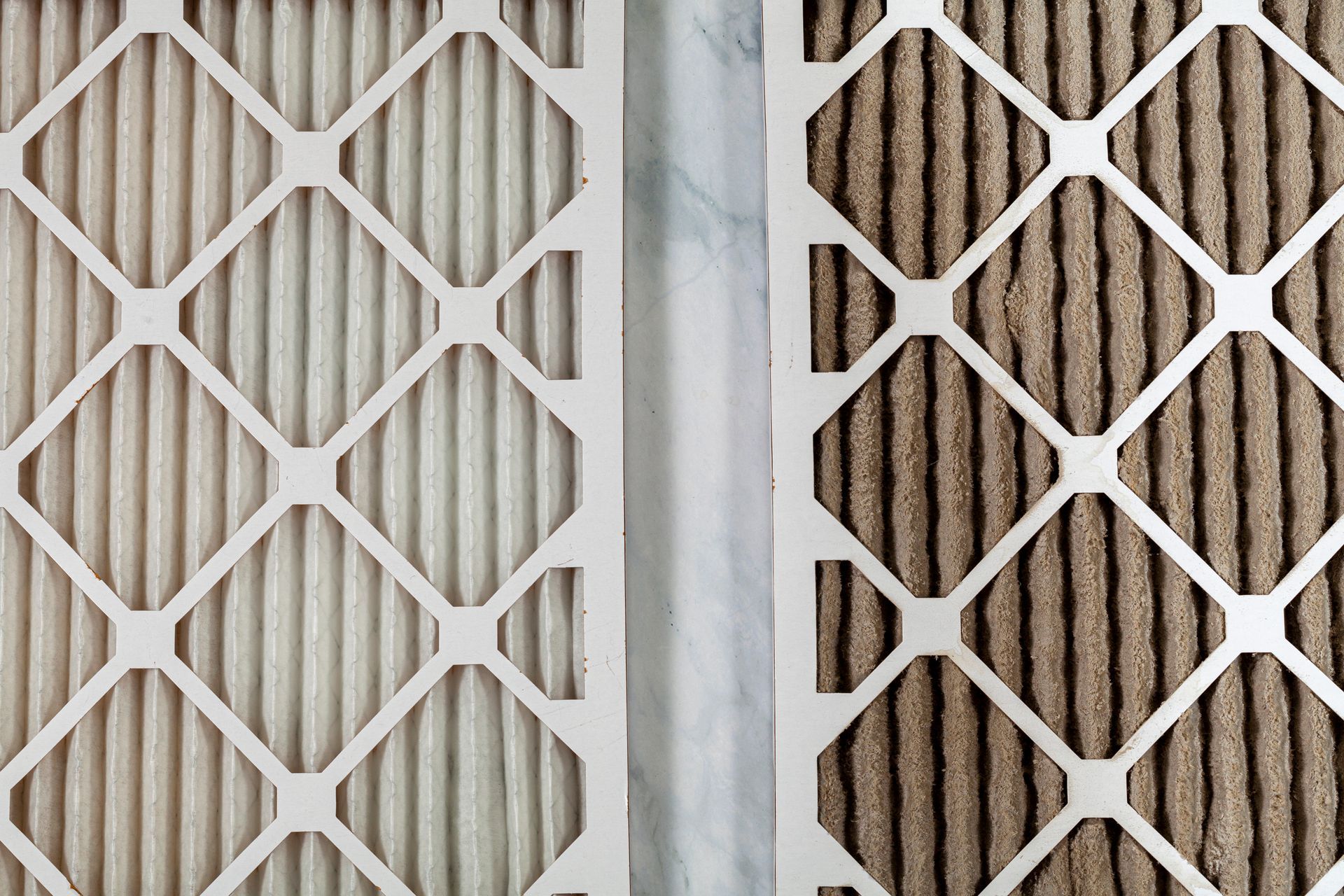
A dirty air filter is one of the first things to check when your furnace starts short cycling.
Your furnace needs adequate airflow to distribute heat throughout your home. When dust, pet hair, and other debris collect in the filter, airflow becomes restricted.
In some systems, reduced airflow can cause the furnace to overheat. A safety control may then shut off the burners to prevent damage.
Once the furnace cools down, it may attempt to heat your home again, creating a repeated on-and-off pattern.
What you can do: Check your furnace filter and replace it if it's dirty, following the manufacturer's instructions.
According to ENERGY STAR's heating and cooling maintenance recommendations, homeowners should check their filters monthly, especially during periods of heavy heating or cooling use.
If the problem continues after replacing the filter, schedule a professional inspection.
2. Restricted Airflow Throughout Your Home
Your furnace may also struggle when heated air cannot circulate properly.
Common airflow restrictions include:
- Furniture blocking supply or return vents
- Closed or obstructed registers
- Restricted return-air pathways
- Problems with the blower motor
- Ductwork that is improperly sized or obstructed
When airflow becomes too restricted, heat can build up inside the furnace and trigger a safety shutdown.
What you can do: Make sure accessible supply and return vents are clear of furniture, rugs, and other obstructions. Avoid closing multiple registers to redirect heat unless your system was designed for that purpose.
If airflow remains weak, an HVAC technician can inspect the blower, ductwork, and other components.
3. Thermostat Problems
Your thermostat tells the furnace when to start heating and when to stop.
If the thermostat is malfunctioning, improperly configured, or located near an unusual heat source, it may send inaccurate signals to your heating system.
For example, a thermostat exposed to direct sunlight or heat from a nearby appliance may register a higher temperature than the rest of your home.
Other possible problems include loose wiring, failing batteries in compatible models, or an incorrect thermostat configuration.
What you can do: Confirm that your thermostat is set to heating mode and that the temperature setting is above the current room temperature. Replace the batteries if your thermostat uses them.
If your furnace continues cycling unexpectedly, a technician can test the thermostat and its connection to the heating system.
4. An Overheating Furnace
Modern furnaces include safety controls designed to shut down heating when operating temperatures become unsafe.
One important component is the high-limit switch, which helps protect the system from excessive heat.
When a furnace overheats, the high-limit switch may interrupt the heating cycle. Depending on the system, the blower may continue running to remove excess heat.
Potential causes include restricted airflow, a dirty blower assembly, or other mechanical problems.
Repeated overheating should never be ignored.
What you can do: Check the filter and accessible vents. If the furnace continues shutting down, turn off the heating system and arrange professional service.
A qualified technician can determine why the furnace is overheating rather than simply resetting a safety control.
5. A Dirty or Faulty Flame Sensor
Gas furnaces use safety devices to verify that the burners have ignited properly.
One of these components is the flame sensor.
If the flame sensor cannot reliably detect the burner flame, the furnace may shut off the gas supply shortly after ignition.
You might notice the furnace starting normally, the burners lighting briefly, and then the heat shutting off.
A contaminated flame sensor can sometimes cause this behavior, although ignition controls and other components may produce similar symptoms.
What you can do: Have a qualified HVAC technician inspect the ignition and flame-sensing system.
Because these components are part of the furnace's gas and combustion safety system, homeowners should avoid attempting repairs themselves.
6. A Furnace That Is Too Large for Your Home
A furnace that is oversized for the home's heating needs can warm the area around the thermostat too quickly.
As a result, the thermostat may shut off the furnace before heat has circulated evenly throughout the house.
The system may then restart shortly afterward as temperatures begin to fall.
Oversized equipment can contribute to uneven temperatures, frequent cycling, and unnecessary wear.
What you can do: If short cycling has been a problem since your furnace was installed, ask a heating professional to evaluate the system's sizing and operation.
A proper assessment considers your home's heating requirements, insulation, windows, ductwork, and other factors.
7. Electrical or Furnace Control Problems
If the filter, thermostat, and visible vents appear normal, the problem may involve an internal electrical or control component.
Potential issues include:
- Faulty control boards
- Loose or damaged electrical connections
- Malfunctioning safety switches
- Blower motor problems
- Ignition system failures
These problems can interrupt heating cycles and may become worse over time.
What you can do: Avoid opening electrical compartments or repeatedly resetting the furnace. Schedule professional diagnosis to identify the cause.
Is It Normal for a Furnace to Turn On and Off Frequently?
Your furnace should cycle throughout the day, but the frequency and duration of those cycles vary.
On a particularly cold Pennsylvania morning, your heating system may run longer to maintain the temperature inside your home.
During milder weather, it may operate for shorter periods.
The main warning sign is not simply how often your furnace turns on. It's whether the system repeatedly shuts down before completing its heating cycle or reaching the thermostat setting.
If your furnace runs for only a minute or two at a time, repeatedly restarts, or leaves your home uncomfortable, it's worth having the system checked.
Can Furnace Short Cycling Increase Your Heating Bills?
Yes. Short cycling can contribute to higher heating costs, especially when the furnace repeatedly starts without heating your home effectively.
Frequent cycling may also place additional stress on components and reduce overall system performance.
If your furnace is short cycling, you may notice:
- Increasing monthly heating costs
- Uneven temperatures
- More frequent heating system operation
- Additional wear on mechanical components
- Difficulty maintaining a comfortable indoor temperature
Regular maintenance can help identify problems before they become more serious.
The ENERGY STAR HVAC maintenance checklist recommends professional seasonal inspections that include checking thermostat operation, electrical connections, safety controls, and heating components.
For homeowners in Wind Gap and surrounding communities, scheduling professional heater maintenance can help keep heating equipment operating reliably throughout winter.
What Should You Check Before Calling for Furnace Repair?
If your furnace keeps turning on and off, there are a few safe steps you can take before scheduling service.
- Check the thermostat. Make sure it's set to heat and the temperature setting is correct.
- Inspect the air filter. Replace a dirty filter with the appropriate type and size.
- Check accessible vents. Remove furniture or other objects blocking airflow.
- Listen for unusual sounds. Note any clicking, banging, or other noises that occur before shutdown.
- Observe the heating cycle. Pay attention to how long the furnace runs and whether the thermostat setting is reached.
These observations can help your HVAC technician diagnose the problem.
Avoid opening sealed furnace compartments, bypassing safety switches, or attempting gas and electrical repairs.
If you smell gas, leave the building immediately and contact your gas utility or emergency services from a safe location. If a carbon monoxide alarm sounds, evacuate and call emergency services. Do not attempt to restart the furnace.
When Should You Call a Professional for Furnace Short Cycling?
If basic troubleshooting doesn't resolve the problem, professional service is the safest next step.
Contact an HVAC technician when:
- Your furnace repeatedly shuts off after a few minutes.
- The heating system cannot maintain the desired temperature.
- Short cycling continues after changing the air filter.
- Your furnace displays recurring error codes.
- You notice unusual noises or persistent burning odors.
- The system has experienced repeated heating problems.
A technician can inspect the furnace's airflow, thermostat, ignition system, safety controls, and other components to determine what's causing the issue.
CJ's Heating & Cooling provides heater repair services in Wind Gap and Northampton County, helping homeowners restore reliable heating when their systems aren't operating properly.
Why does my furnace turn on for a few minutes and then shut off?
A furnace that shuts off after only a few minutes may be overheating, experiencing restricted airflow, or responding to a faulty thermostat or safety control. A professional inspection can determine the exact cause.
Can a dirty air filter cause furnace short cycling?
Yes. A clogged filter can restrict airflow and cause certain furnaces to overheat. The system's high-limit switch may shut off the heat to protect the equipment.
Is furnace short cycling dangerous?
Short cycling is not always an immediate emergency, but it can indicate overheating, ignition problems, or other equipment faults. Repeated shutdowns should be investigated, particularly when a gas furnace is involved.
Will replacing my thermostat fix furnace short cycling?
Only if the thermostat is causing the problem. Dirty filters, airflow restrictions, faulty sensors, and other furnace issues can produce similar symptoms.
Can furnace short cycling be repaired?
Many causes of short cycling can be repaired. The appropriate solution depends on the condition of the furnace, the failed component, and whether the equipment is correctly sized for the home.
Keep Your Home Warm With CJ's Heating & Cooling
When your furnace keeps turning on and off, you shouldn't have to guess what's wrong.
Whether the problem involves restricted airflow, a faulty component, or another heating issue, identifying the cause early can help prevent additional wear and unexpected breakdowns.
At CJ's Heating & Cooling, we believe in doing what's best for your family. Our team provides professional heating repairs and maintenance for homeowners in Wind Gap, Easton, Bethlehem, Nazareth, and surrounding Pennsylvania communities.
Is your furnace short cycling? Contact CJ's Heating & Cooling to schedule heating service and get your home's comfort back on track.